
Recent data from health officials and government sources in Senegal indicate a decline in patient visits to certain HIV treatment centers, coinciding with increased arrests targeting individuals within the 2SLGBTQ+ community. This trend poses a threat to the country’s efforts in combating the virus.
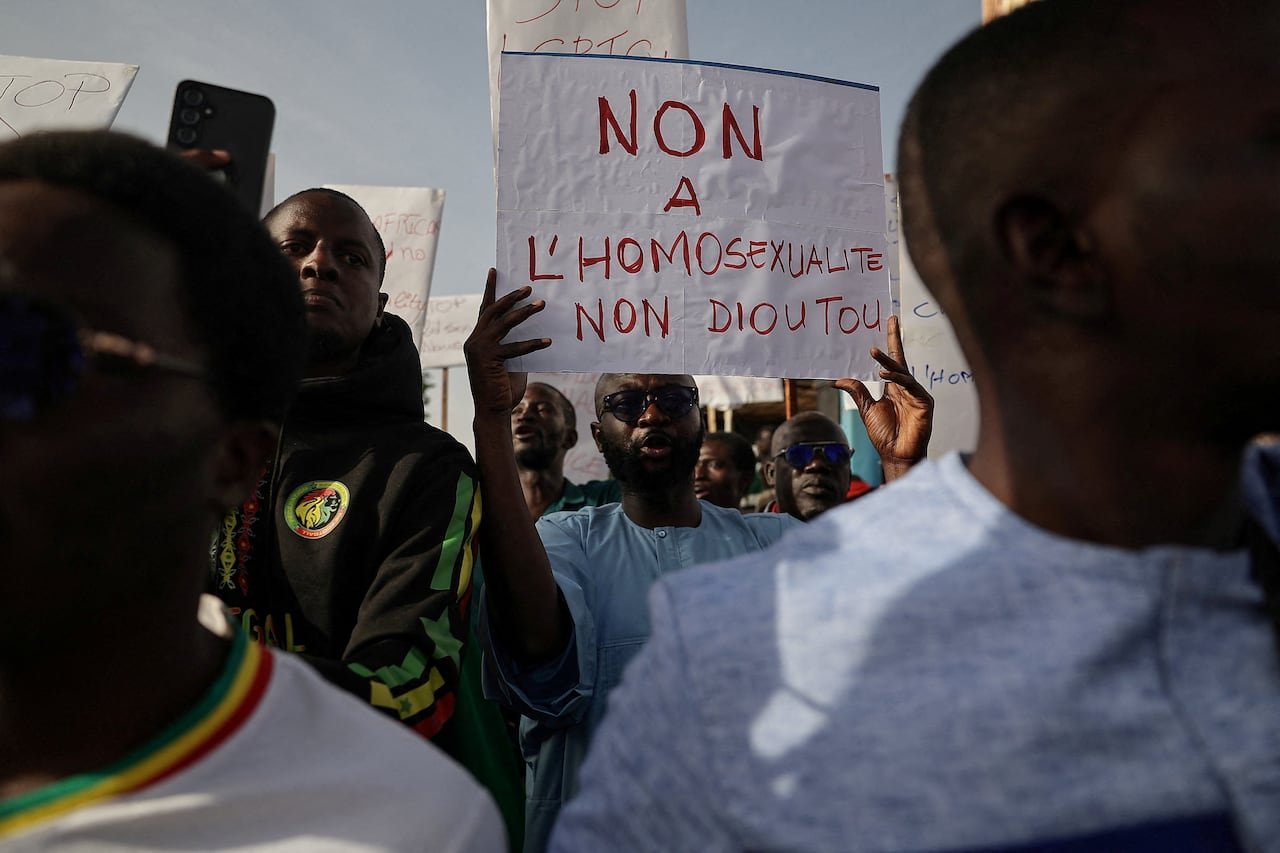
Senegal, where homosexuality is prohibited by law, recently raised the maximum penalty for same-sex activities to 10 years in prison and criminalized any actions deemed as promoting such behaviors. The country also imposed a maximum fine of 10 million CFA francs ($24,450).
Reports from local human rights advocates and media outlets suggest that 86 individuals have been apprehended in a crackdown that commenced in early February, aligning with the government’s plans to introduce the new anti-2SLGBTQ+ legislation in parliament. Among these arrests, 18 occurred during a single operation on April 19 in Linguere, approximately 300 kilometers northeast of Dakar. To date, two convictions have been made under the new law.
The detained individuals face charges related to “acts against nature,” with some accused of intentionally transmitting HIV to others. However, specific arrest figures were not disclosed by the government.
Data from the Senegalese National Council for the Fight Against AIDS (CNLS) revealed that patients are avoiding essential antiretroviral medications, crucial for managing and suppressing HIV, due to fears of arrest or mistreatment.
Despite requests for comments, government and police representatives as well as a legislator supporting the law remained silent on the matter.
Dr. Safiatou Thiam, a former health minister and CNLS executive director, expressed concerns over the potential stigmatization and abuse faced by arrested individuals, exacerbated by certain Senegalese media outlets that disclosed their identities and HIV statuses.
Senegal, categorized among the few West and Central African nations experiencing a rise in new HIV cases, has witnessed a 25.6% decrease in patient visits to HIV/AIDS centers, as per CNLS’s survey of 22 treatment facilities. Follow-up interviews with over 50 men who have sex with men (MSM) revealed their reluctance to seek services, citing fears of exposure, arrest, or harassment.
Dr. Cheikh Bamba Dieye, head of CNLS’s research unit, emphasized the evident correlation between the arrests and the decline in patient numbers, stressing the potential consequences of treatment disruptions.
While Senegal’s overall HIV prevalence stands at 0.3%, lower than many other African nations, the country has seen a 36% increase in new infections from 2010 to 2024, according to UNAIDS. The concentration of HIV among key populations such as MSM, with a prevalence rate of 27.6%, underscores the need for addressing discriminatory laws and violence, as emphasized by the World Health Organization.
UNAIDS highlighted the adverse impact of criminalization on healthcare access, warning that punitive measures drive individuals away from essential services. The suspension of interventions targeting vulnerable groups by the National Alliance Against AIDS (ANCS) due to the challenging environment created by the arrests further underscores the repercussions of such actions.
As some individuals within the 2SLGBTQ+ community seek refuge in neighboring countries, those remaining in Senegal adopt a low profile to avoid scrutiny and potential harm. The fear of being labeled and persecuted has led to disruptions in healthcare access, with many foregoing treatment out of concern for their safety and well-being.

