Recalling his time at Canadian Forces Base Gagetown nearly six decades ago, Gary Goode vividly remembers the landscape of dead leaves, the pungent chemical odor reminiscent of diesel, and the days spent in foxholes navigating dense foliage as an infantry soldier. Unbeknownst to him at the time, the U.S. military had conducted tests involving Agent Orange and other harmful herbicides on the base with Ottawa’s approval. On the 60th anniversary of this testing, veterans like Goode, who suspect exposure to these chemicals, continue to seek disability benefits and long-term compensation.
Concerns have been raised by veterans, military families, and U.S. lawmakers regarding the potential persistence of these herbicides in the soil at CFB Gagetown, prompting calls for comprehensive testing as the base undergoes redevelopment.
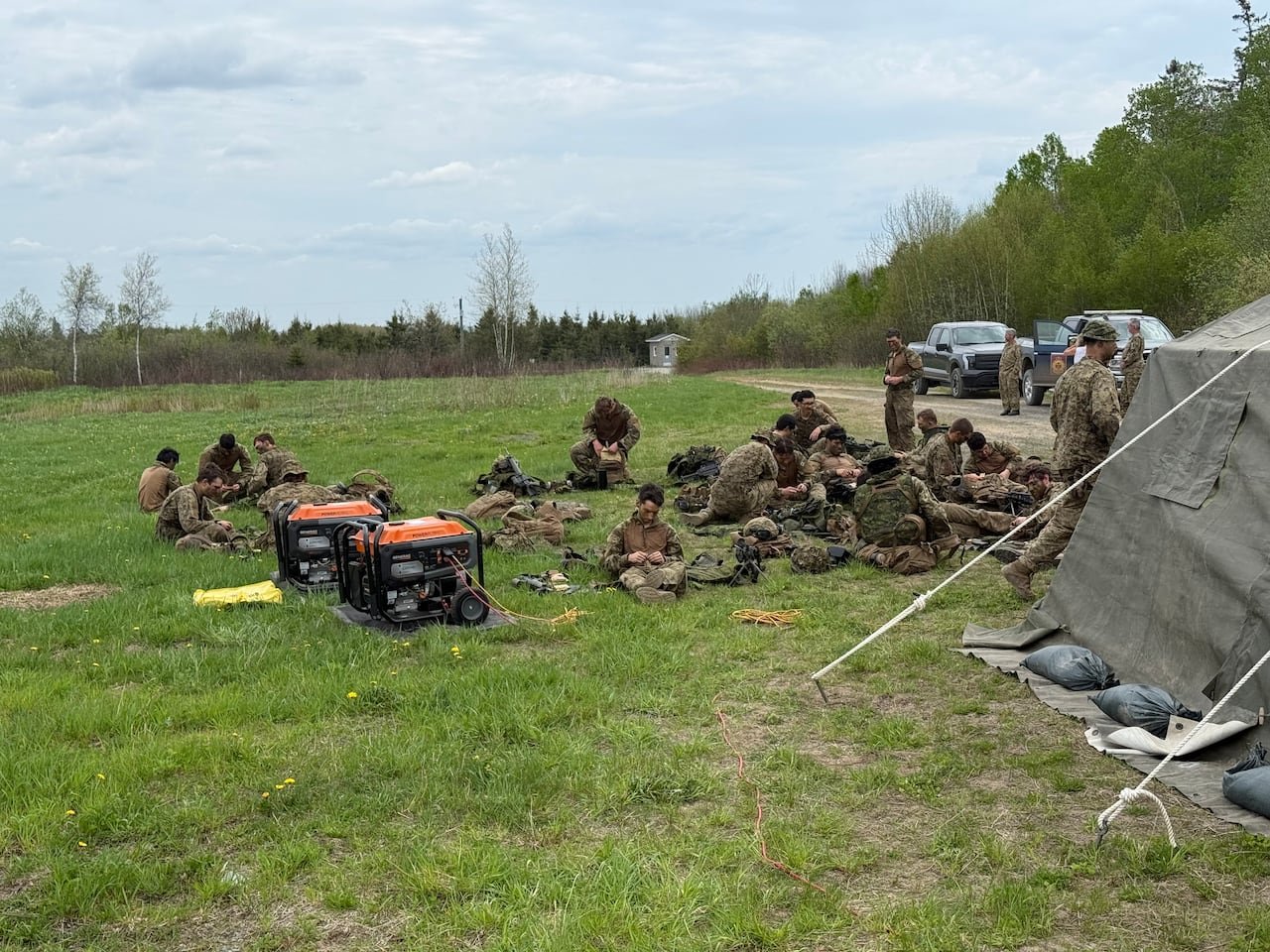
This year, the Canadian government pledged over a billion dollars for the modernization of CFB Gagetown as part of its commitment to enhance defense spending, following pressure from the U.S. administration to increase military investments. The funding includes provisions for new military housing units, raising questions among veterans like Goode about potential risks associated with building on possibly contaminated soil.
Goode and fellow veterans from the advocacy group Brats in the Battlefield express concerns about the need for thorough testing and remediation to ensure the safety of future developments at the base.
Notably, a federal investigation carried out from 2005 to 2007 focused on the implications of Agent Orange and herbicide spraying at CFB Gagetown, suggesting that only individuals directly involved in the application of these chemicals faced potential long-term health risks. However, skepticism persists among veterans and lawmakers, particularly in Maine, where concerns have been raised by U.S. military members who claim adverse health effects due to exposure during training in New Brunswick.
Understanding Agent Orange
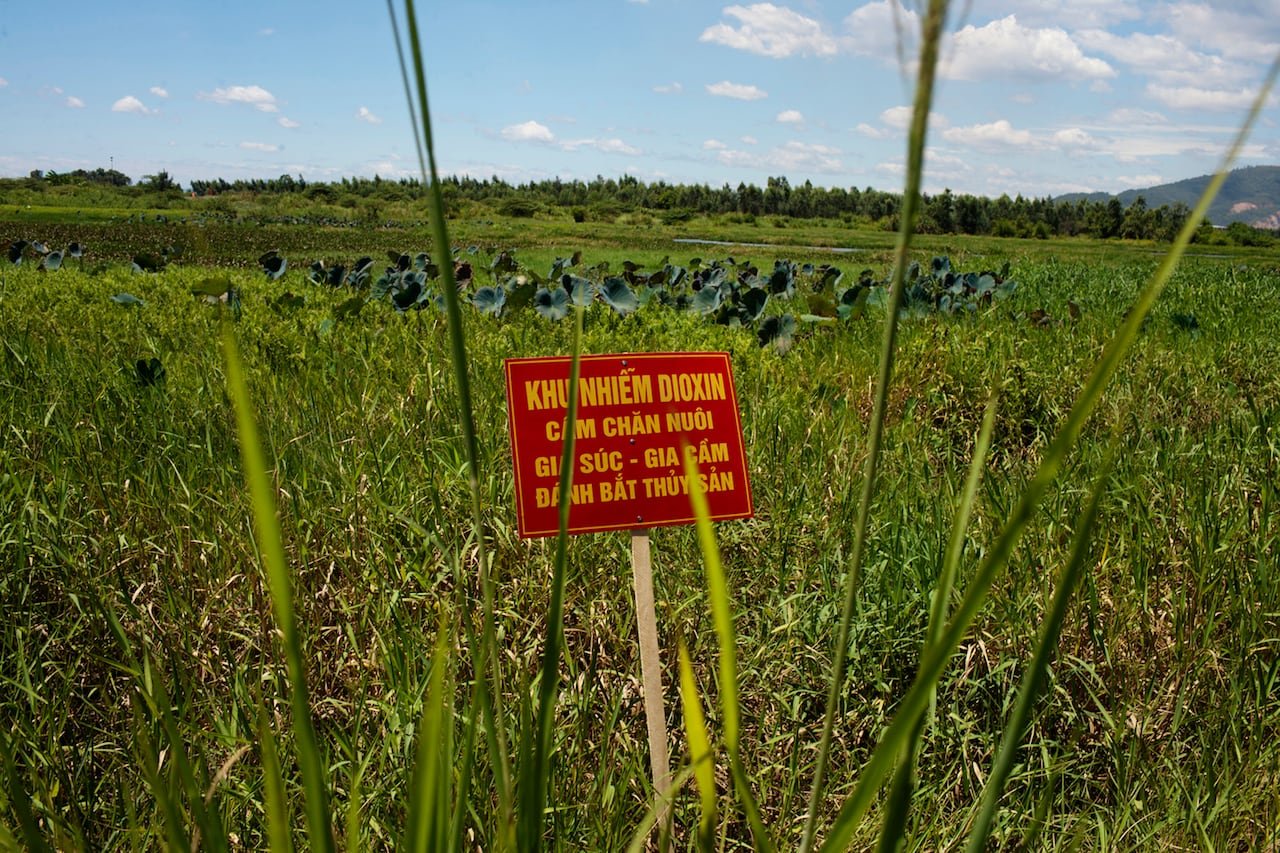
Agent Orange, a chemical herbicide used during the Vietnam War, aimed to eliminate jungle vegetation, depriving enemy forces of hiding spots and resources. The compound, named for the orange stripe on its storage barrels, consisted of 2,4-D and 2,4,5-T herbicides, the latter containing dioxin, a hazardous substance linked to various health issues such as birth defects and cancers.