
Many individuals recall summer evenings filled with moths and mayflies dancing around porch lights, or road trips that left windshields covered in insects. However, some might sense a shift in these experiences.
Experts indicate that these nostalgic memories reflect a concerning reality: numerous insect species are dwindling in numbers across Canada and globally, which has significant implications for birds, bats, fish, plants, and humans.
In southern Ontario, Hadil Elsayed, a PhD candidate at York University, discovered that the total biomass of insects gathered from two protected areas has decreased by nearly 50% since the 1990s. In the United Kingdom, a citizen-science initiative that tracks insect splatter on vehicle license plates has recorded a dramatic decline in flying insects. Numerous additional studies confirm the global trend of insect population reductions.
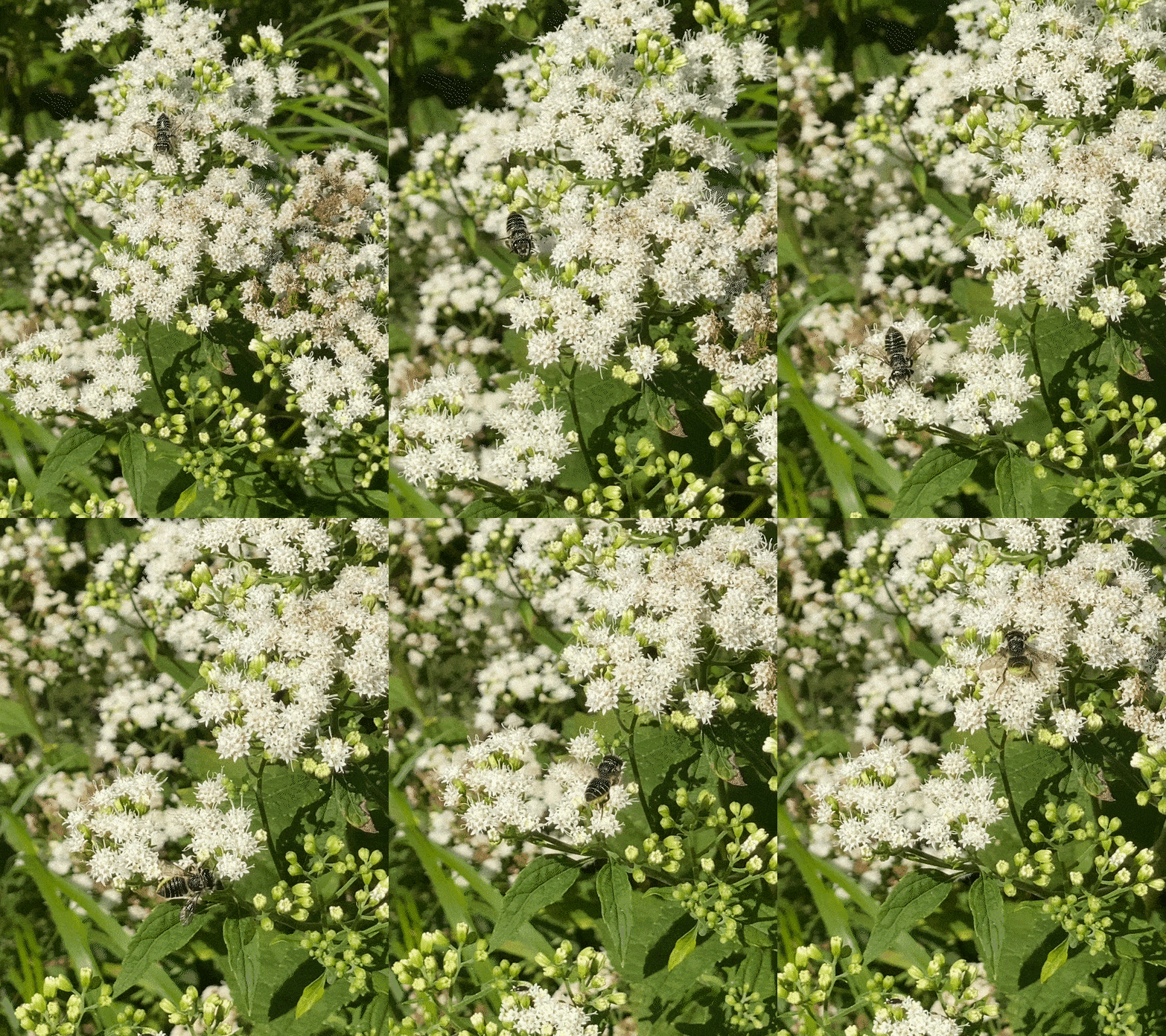
Leafcutter bee (Hadil Elsayed)
A significant decline in small creatures
Between the summers of 2021 and 2023, Elsayed trapped insects to study their populations at Long Point National Wildlife Area and St. Williams Conservation Reserve in southern Ontario, meticulously replicating a survey that Environment Canada conducted in the early 1990s.
Elsayed is about to submit her results, which are part of her PhD dissertation, to a scientific journal. While the findings have yet to undergo peer review, they reveal that over the last 30 years, the total mass of trapped insects has decreased from 645 grams to 333 grams.
These results align with a study released in June by researchers at the University of Michigan and Birds Canada, which indicated that flying insect populations at the nearby Long Point Bird Observatory fell by 62% between 1977 and 2011.
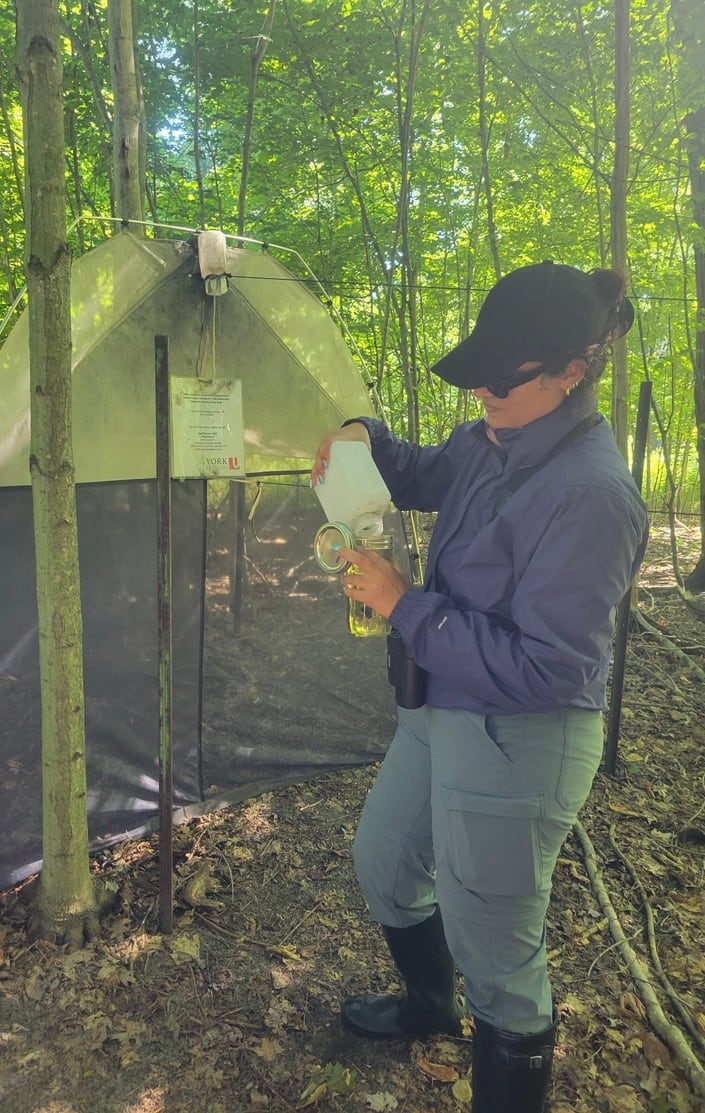
Hadil Elsayed trapped and counted insects at two sites in southern Ontario, including Long Point National Wildlife Area, from 2021 to 2023, painstakingly replicating a survey conducted by Environment Canada in the early 1990s. (Submitted by Hadil Elsayed)
A significant portion of the insects Elsayed collected were tiny flies known as midges, which weigh nearly nothing. Despite their small size, they serve as a vital nutritional source for fish, other insects, birds, and bats.
The loss measured by Elsayed is comparable to approximately 640 million midges.
“That’s an astonishing number of insects,” she remarked. While the findings were not unexpected, she described them as “heartbreaking.”
Flies, such as midges and mosquitoes, were particularly affected in both studies, with declines also noted in butterfly and beetle populations.
“We are not only losing our rare species, but we are also seeing a decline in many individuals from common groups,” she stated.
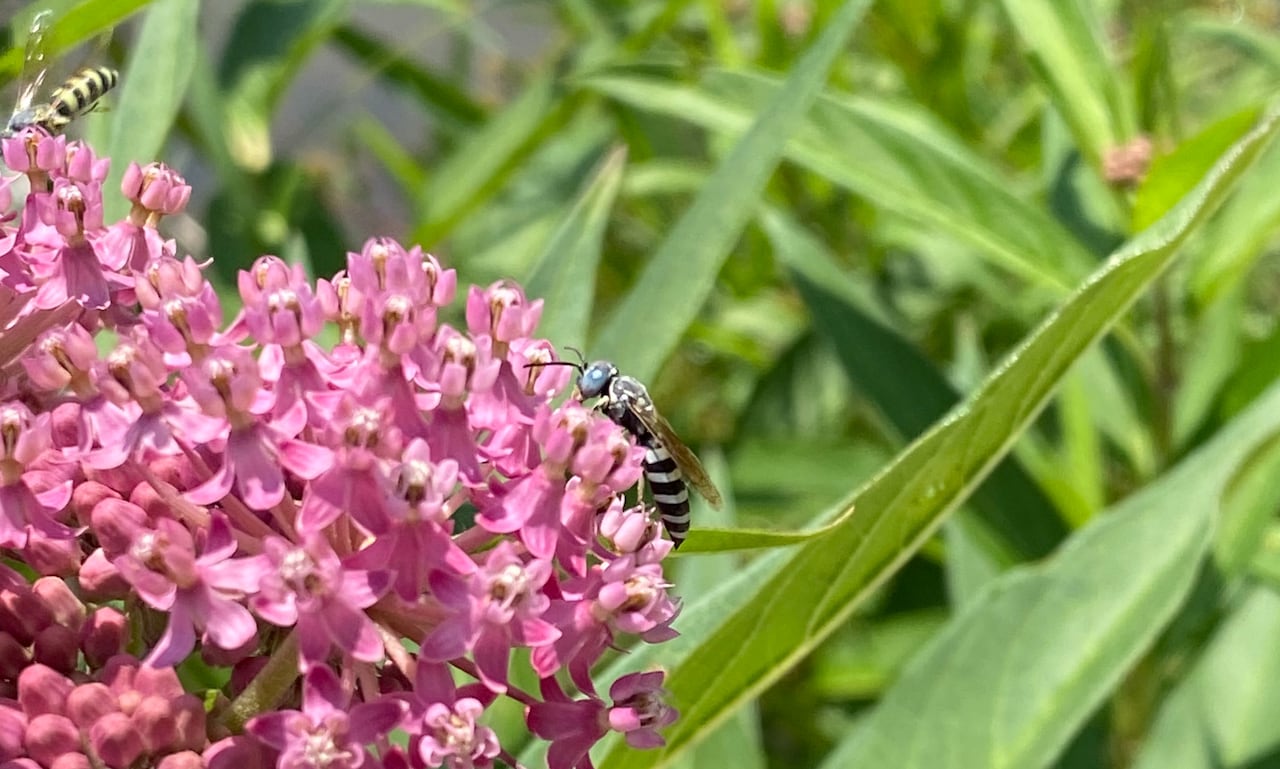
Sand wasp (Hadil Elsayed)
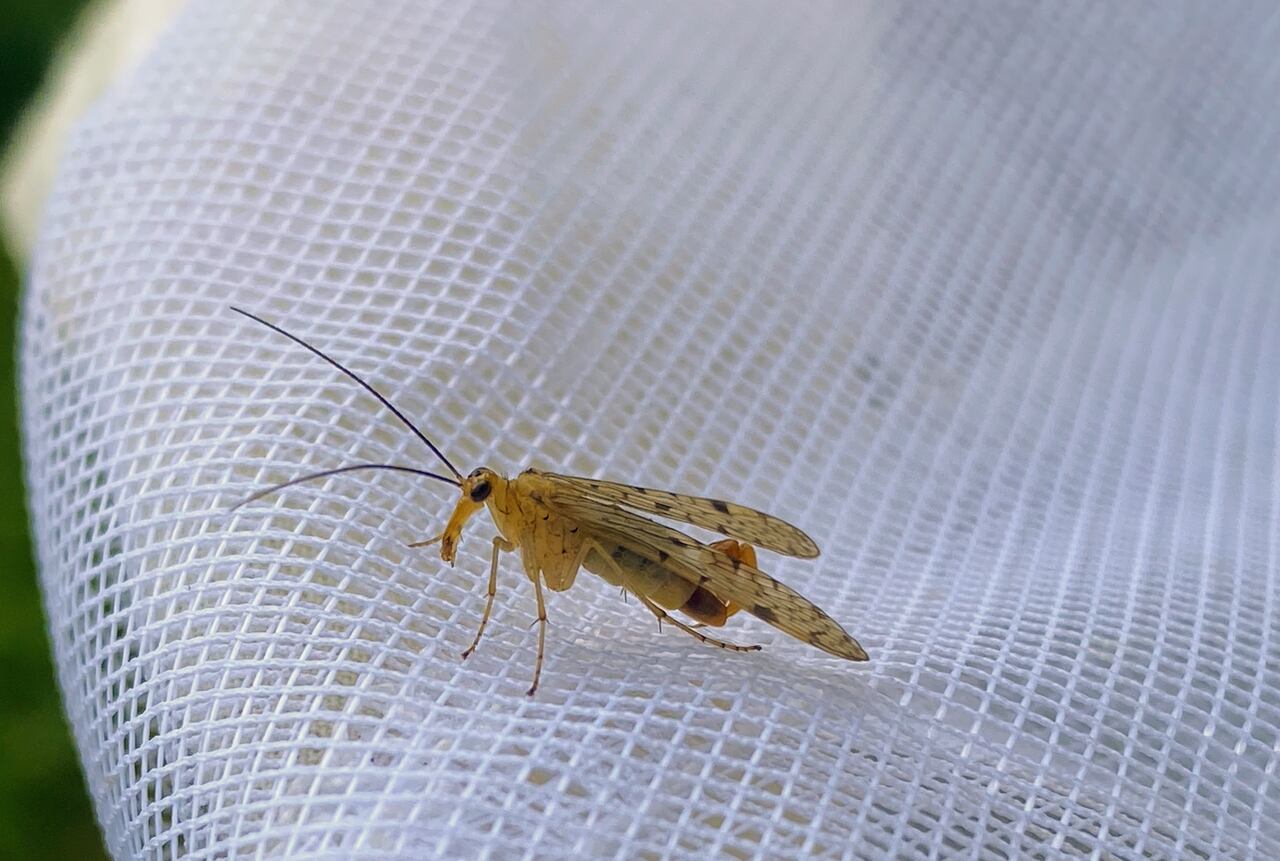
Scorpionfly (Hadil Elsayed)
Assessing the scale and severity of the issue
Conservationist Andrew Whitehouse stated that the decline of common species might be more concerning than the extinction of rarer ones, “because it’s likely the more widespread and abundant species that maintain ecological balance.”
These functions include pollinating plants and decomposing dead organic matter.
Whitehouse, who leads operations at Buglife in Plymouth, England, an organization dedicated to insect conservation, noted there is substantial evidence globally highlighting the necessity for insect conservation.

Andrew Whitehouse surveys for the red-barbed ant, an endangered species in the U.K. (BareFoot Photographer/Buglife)
A study published last spring revealed a decline in U.S. butterfly populations so severe it moved scientists to tears. A 2019 study warned that global insect population declines could result in the extinction of 40% of insect species within decades, although differing studies have shown significant variations among groups and regions over time.
A collection of studies from 2021 indicated that insects are disappearing at a rate of one to two percent annually.
Researchers frequently cite habitat destruction, invasive species, pesticide use, pollution, and climate change as primary threats to insect populations.
Declining swallow populations
The effects of insect loss are already being observed in other species.
The study conducted by Birds Canada in June discovered that insectivorous swallows are becoming smaller and less plentiful as their food supply diminishes.
Humans, as well as other animals and plants that do not consume insects, still depend on them for pollination, pest management, and their role in the food web.
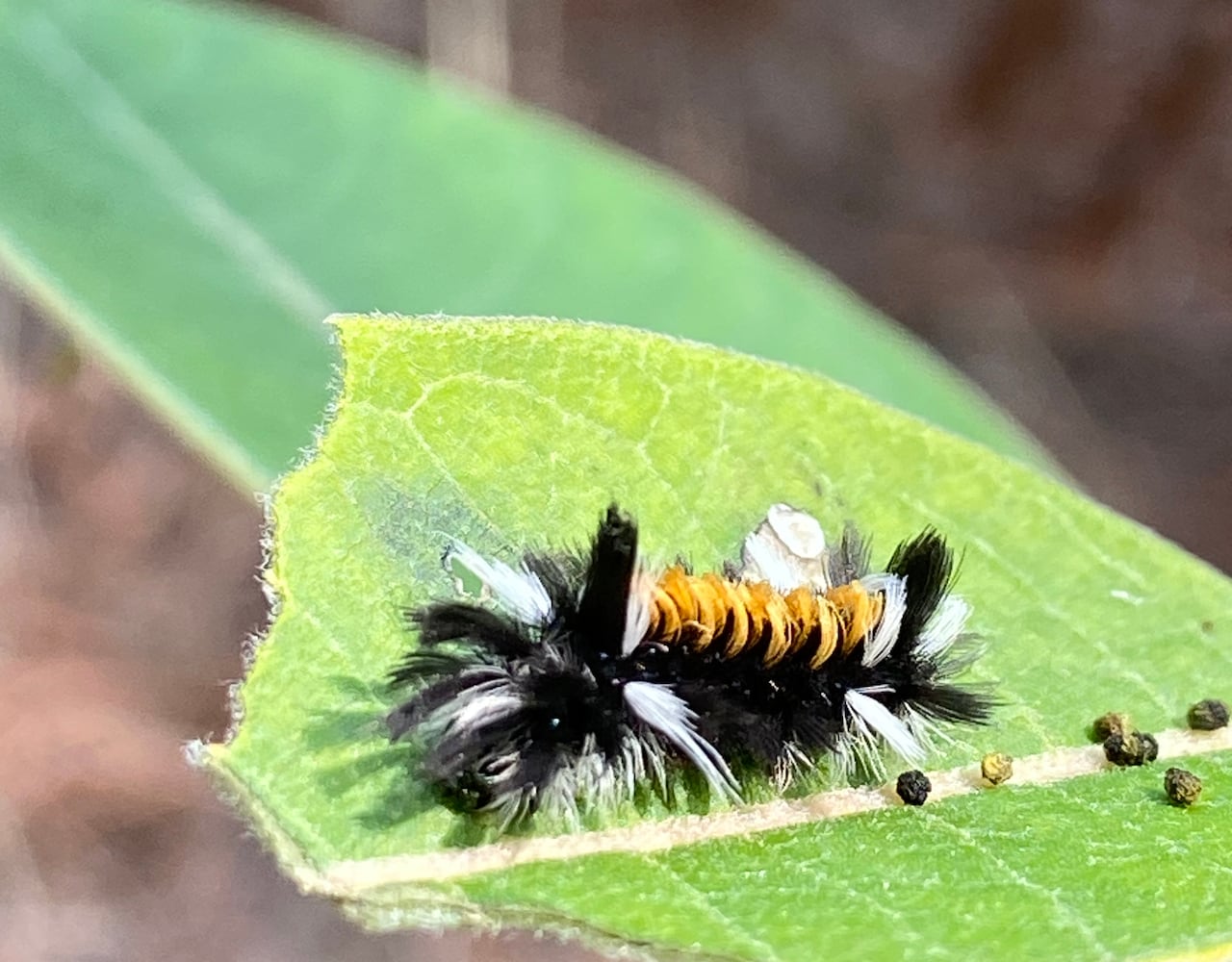
Milkweed tussock moth caterpillar (Hadil Elsayed)
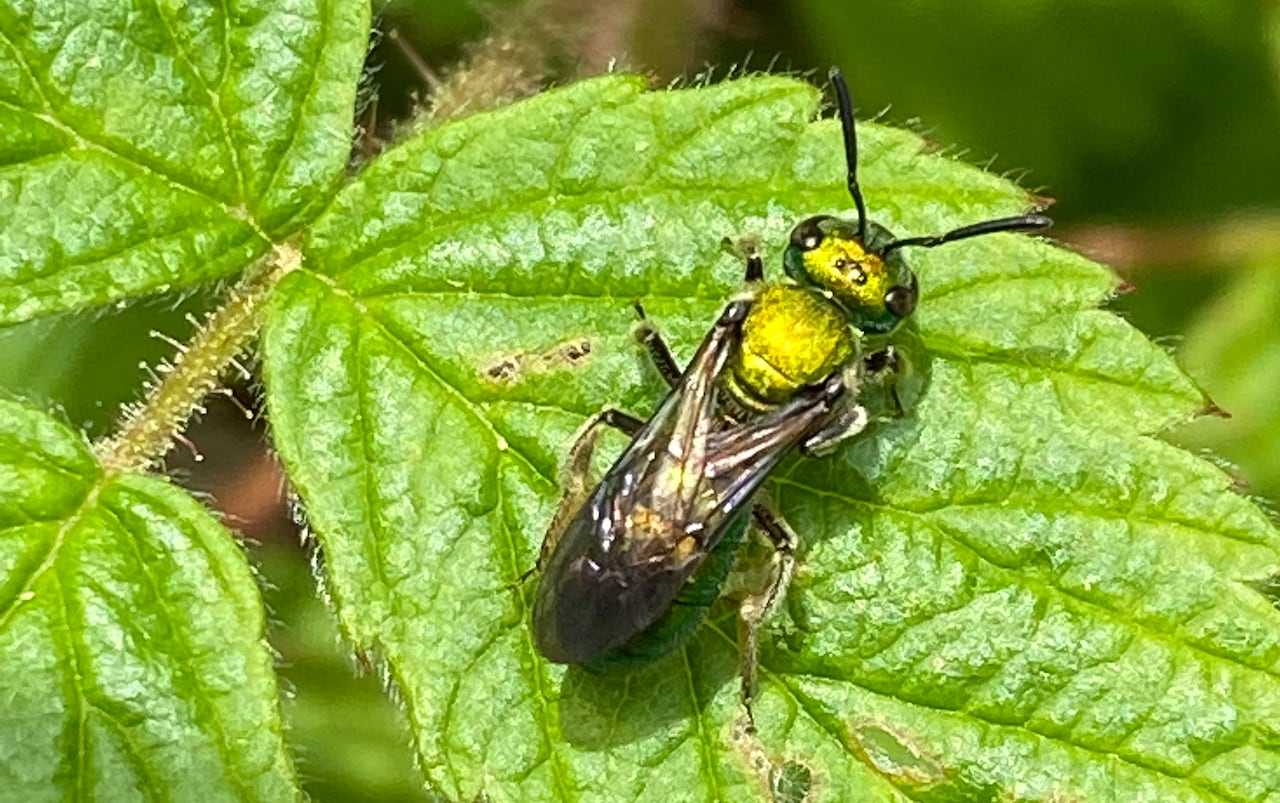
Pure green sweat bee (Hadil Elsayed)
Insects also influence our lives in less obvious ways.
According to Whitehouse, many individuals in England have noticed their car windshields, grilles, and license plates appearing remarkably cleaner due to a reduction in insect splatter.
Buglife initiated a citizen-science project called Bugs Matter to track these changes through photographs of license plates after driving.
From 2021 to 2025, the project documented a 59% decline in flying insects across the U.K. and Ireland, which Whitehouse described as “quite alarming.”
Buglife is planning to expand the survey to additional areas, with the possibility of launching a similar project in Canada in the future.
An intimate perspective on nature
The insects in our vicinity offer a distinctive and close-up perspective of nature.
Whitehouse’s fascination with insects began as a child in England, while he explored ponds searching for tadpoles and encountering various peculiar six-legged creatures.
His favorite insect is the bloody-nose beetle.
“When threatened by a predator, such as a bird, it can eject its bodily fluids through its face, which are bright red—this deters the bird,” he explained.
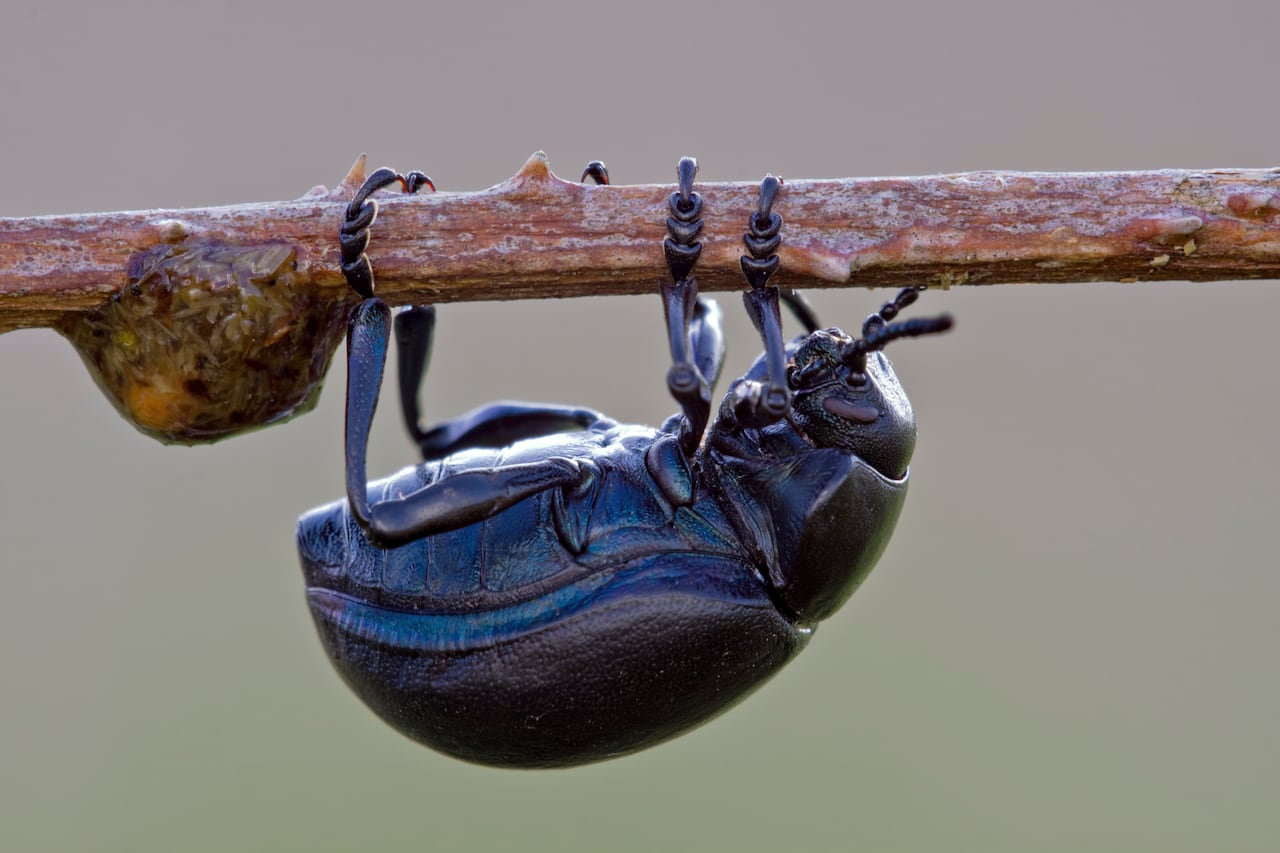
Bloody-nosed beetle (Timarcha tenebricosa) (Andrew Whitehouse/Buglife)
Elsayed’s passion for insects developed when she took a job examining parasitoid wasps under a microscope—creatures that inspired the Alien movie franchise, in which parasitic beings burst from the bodies of their human hosts.
In nature, these scenarios unfold on a much smaller scale. The wasps are frequently less than a millimeter in length.
“Some of them were incredibly tiny, yet they could cause significant damage to much larger insects,” Elsayed noted.
In her current research, she is thrilled by the variety of insects she encounters for the first time, including rare species. However, she is also saddened by the noticeable declines in various insect populations over the past five years.
“I am witnessing a loss of insects across the board,” she lamented.
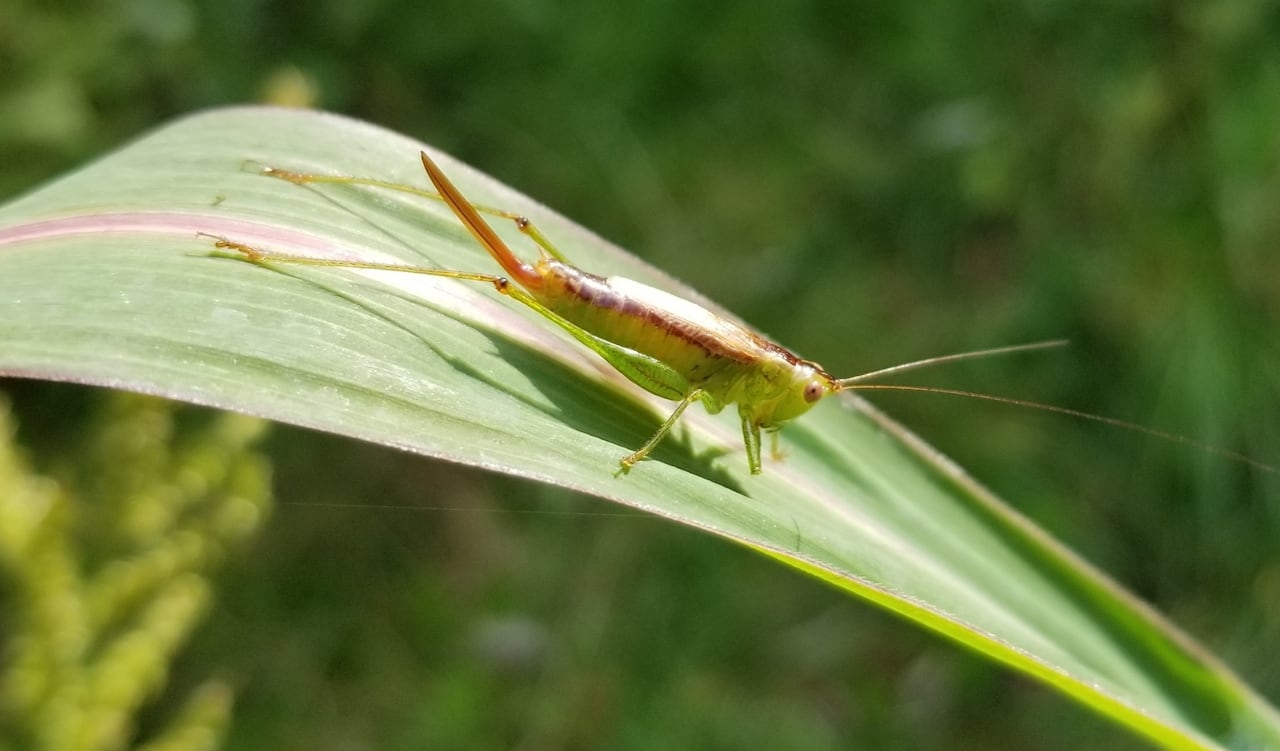
Short-winged meadow katydid (Emily Chung/CBC)
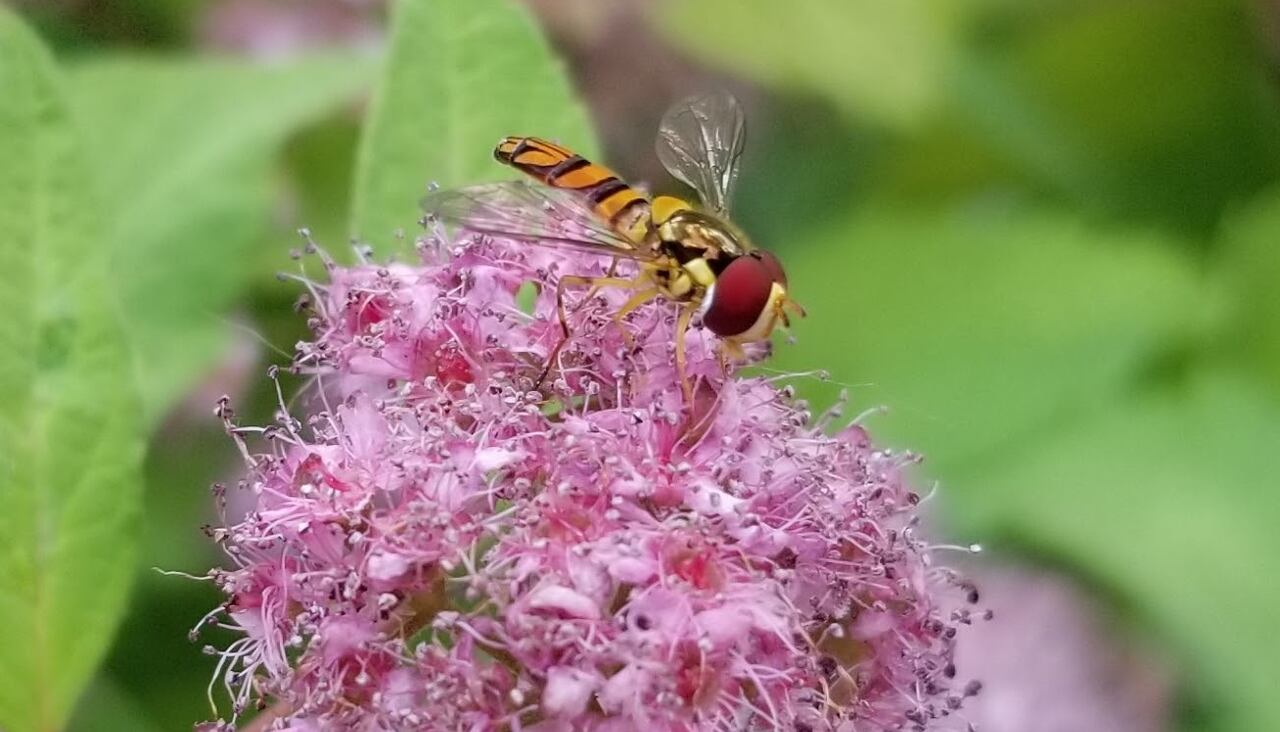
Oblique streaktail fly (Emily Chung/CBC)
Actions that can make a difference
The positive aspect, according to Elsayed and Whitehouse, is that many declines in insect populations can be reversed through proactive measures such as planting more native plants, conserving habitats, and reducing pesticide application.
There are instances where insect populations have rebounded.
A recent 90-year investigation in Switzerland revealed that beetles and butterflies began to decline sharply in the mid-20th century, particularly among species adapted to cooler climates. However, over the past 30 years, beetles favoring warmer conditions have shown signs of recovery.
The researchers noted that these beetles have benefited from leaving deadwood in forests to provide insect habitats, alongside environmental initiatives that promote natural areas in agricultural settings.
Whitehouse emphasized the importance of creating interconnected, natural “safe” spaces for wildlife.
“I genuinely believe we can turn this around,” he stated, “but we need collective action, and people must care.”
This article is part of a series showcasing the efforts of scientists investigating vanishing species groups that may not have received much attention. It aims to raise awareness about these species, their role in our lives, and what can be done to ensure their survival.
Have you noticed fewer bugs around the last few years? Experts say there’s growing evidence that Ontario’s insect population is shrinking. CBC’s Talia Ricci visited a GTA nature reserve to learn more.

