
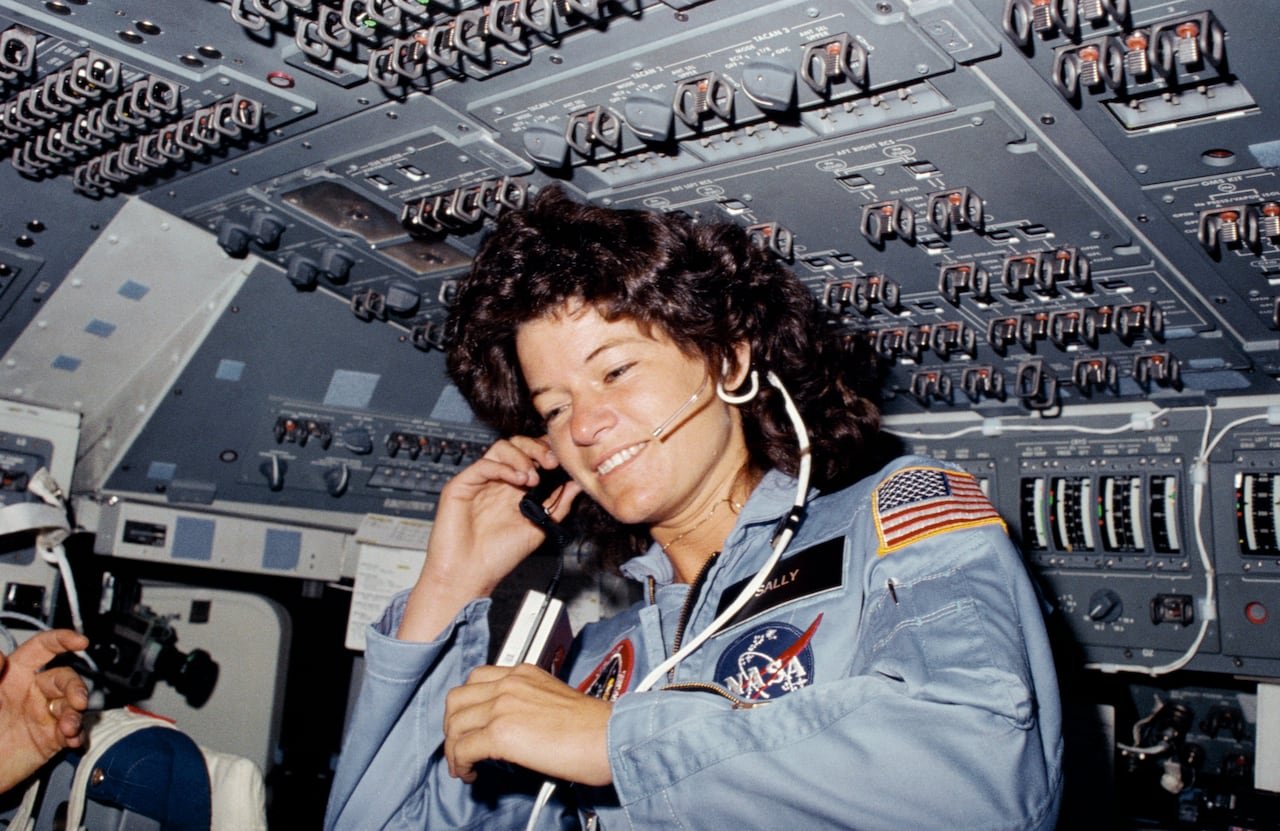
Prior to her groundbreaking space shuttle launch in 1983, becoming the first American woman in space, NASA astronaut Sally Ride faced an interesting question regarding the number of tampons needed for her week-long mission. When asked if 100 tampons would suffice, Ride confidently replied that it would not.
Even in modern times, the topic of menstruation remains somewhat of a taboo subject. Despite efforts to inquire with former astronauts and NASA’s astronaut public relations team, responses to discuss the matter were either non-existent or declined (CBC News investigation).
As we strive to explore space more extensively and embark on longer missions, addressing menstruation is a crucial aspect we cannot overlook.
For those unfamiliar, individuals who menstruate typically experience monthly periods lasting approximately four to seven days.
Various methods exist for managing menstruation, including tampons, menstrual pads, menstrual cups, and intrauterine devices (IUDs), with hormonal options available to stop monthly periods.
However, the challenge arises in dealing with menstruation in space. A recent study published in the Nature journal NPJ Women’s Health is exploring a new alternative for menstruating astronauts.
While many astronauts opt for hormonal methods to halt menstruation in space, some still rely on traditional pads or tampons. Researchers have now conducted significant testing on a potential new solution for menstruating astronauts: menstrual cups.
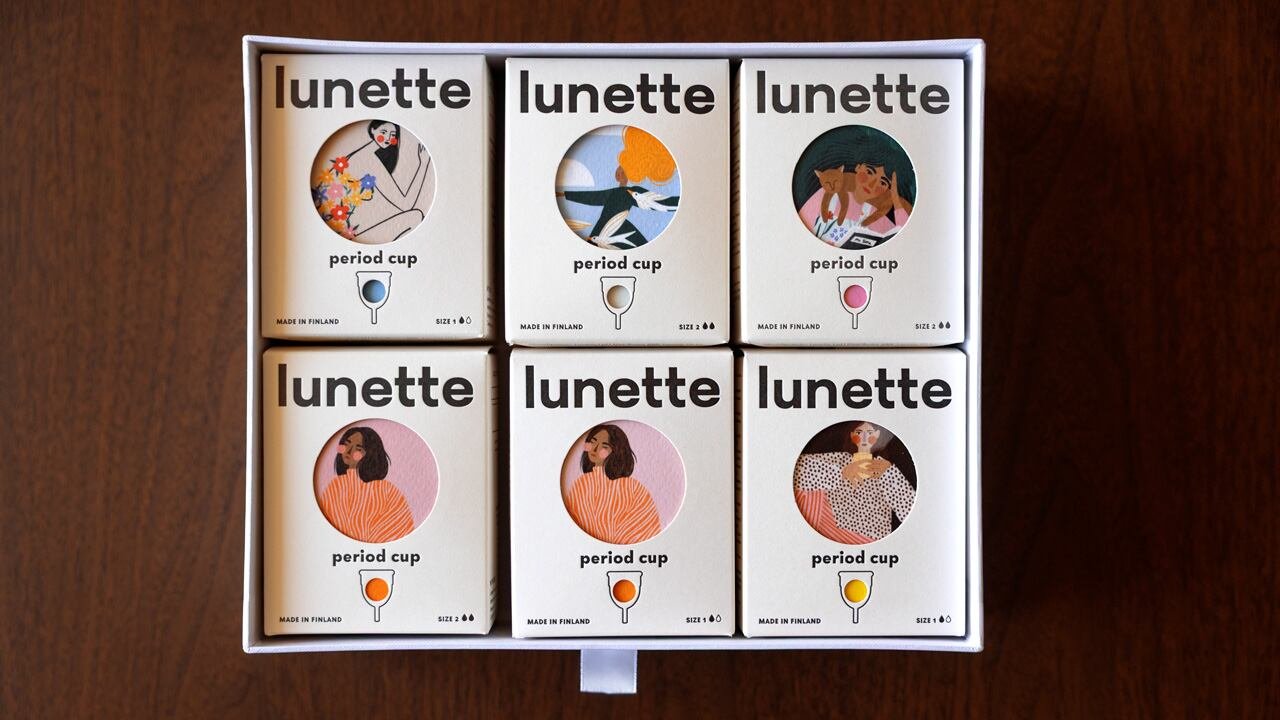
The aim is to provide women with diverse options as opposed to the current trend of menstrual suppression among astronauts. Menstrual cups, reusable bell-shaped devices inserted vaginally to collect blood, offer a potential alternative for those who prefer not to suppress their periods.
The AstroCup mission successfully launched two cups on a suborbital flight, testing their durability under various conditions. The cups maintained their integrity when exposed to water and glycerol, simulating blood viscosity.
Looking Toward Future Space Exploration
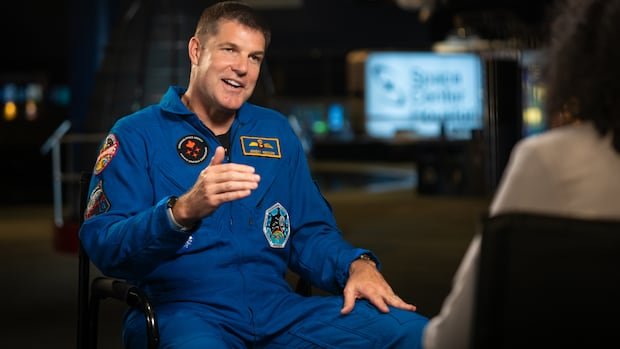
In early 2026, the Artemis II mission, featuring Canadian Space Agency astronaut Jeremy Hansen and NASA astronauts Victor Glover, Christina Koch, and Reid Weisman, is set to orbit the moon as the initial step towards human lunar return and eventual Mars missions.
Extended missions to Mars necessitate meticulous planning due to the high cost of launching supplies where every kilogram counts. The study’s co-author, astrobiologist Ligia Coelho, emphasizes the importance of addressing unforeseen challenges to ensure successful missions.

More like thisRelated
“Prime Minister Carney Launches Build Canada Homes Agency”

“Trans Mountain Plans Pipeline Enhancement with Drag Reducing Agents”
Catherine O’Hara Says Goodbye to Moira Rose
“Alberta Proposes Dual Practice Model to Cut Surgery Wait Times”