
In the summer of 2020, Elysia Bryan of Toronto discovered a lump in her right breast. Despite being a healthy 34-year-old, she initially chose not to seek screening for breast cancer, hoping the lump would resolve on its own. Bryan admitted the lump was visible and painful but thought it might disappear if ignored.
After months of neglecting the lump, Bryan eventually consulted her family doctor in April 2021, who recommended a mammogram and a biopsy. Following the biopsy at St. Michael’s Hospital, she received a breast cancer diagnosis and underwent a lumpectomy within two weeks.
Subsequently, Bryan underwent extensive treatment, including eight rounds of chemotherapy, 24 radiation sessions, genetic testing, mastectomy, and reconstruction. She is now cancer-free and has become a vocal advocate for breast cancer screening, emphasizing the importance of early detection for successful treatment outcomes.
Currently, Bryan collaborates with The Olive Branch of Hope, a support organization for Black women with breast cancer, where she has noticed an increasing number of young women being diagnosed with the disease.
Highlighting the significance of proactive health measures, Bryan stressed the importance of young women prioritizing regular health checks to safeguard their well-being.
Study Reveals Low Uptake in Screening
According to a recent study conducted by the Hologic Global Women’s Health Index, only 15% of Canadian women reported undergoing screenings for breast or cervical cancer in the past year, compared to 25% in the United States. The study, developed by Hologic in collaboration with polling firm Gallup, serves as a comprehensive database on women’s health and overall well-being.
The study further revealed that women with lower incomes, ethnic minority backgrounds, or recent immigrant status were least likely to undergo cancer screenings.
About a year ago, Ontario revised its guidelines, allowing women in their 40s to self-refer for mammograms, without the need for a doctor’s referral. This adjustment aimed to enhance early detection of breast cancer, considering its prevalence among one in nine women in Ontario.
Health Minister Sylvia Jones emphasized the importance of early detection and improved treatment accessibility in saving lives, yet data from Ontario Health indicated that only approximately 21% of eligible women aged 40 to 49 had undergone screening following the guideline change.
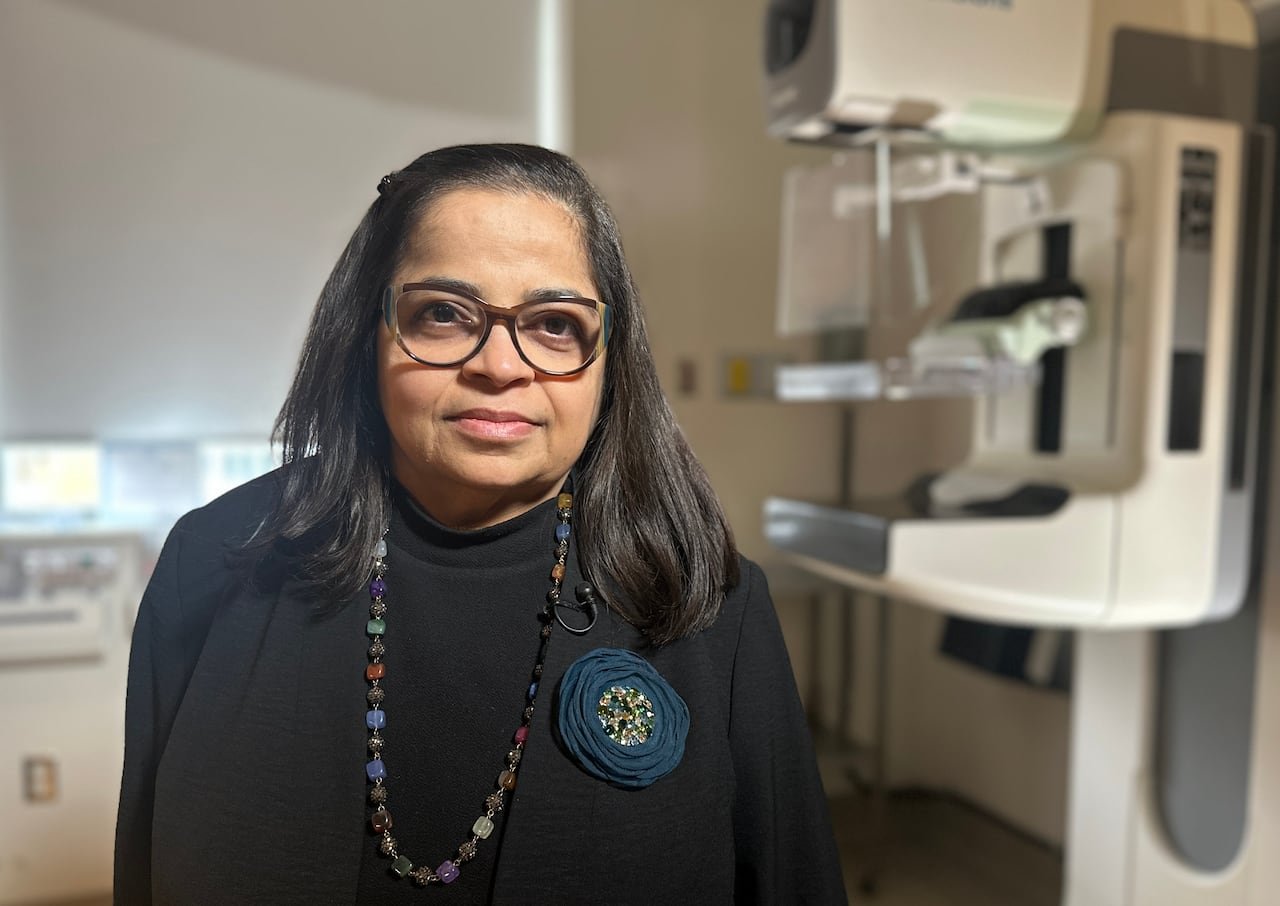
Dr. Supriya Kulkarni, a breast imaging radiologist at University Health Network, shared insights from Women’s College Hospital, where over 1,000 mammograms were performed in the past year. Despite these efforts, Kulkarni noted that certain communities remain underserved, emphasizing the importance of inclusivity in healthcare outreach.
Efforts are being made to engage specific groups, particularly with the anticipation that the revised guidelines in Ontario will encourage early screening among younger individuals.
Ontario Health’s Initiatives to Promote Screening
Dr. Ritika Goel, a Toronto-based family physician, highlighted the challenges faced by socially marginalized individuals in accessing healthcare services, including breast cancer screening. Research indicates that racialized and immigrant women exhibit lower screening rates for various cancers, underscoring broader issues related to healthcare access and outcomes.
Ontario Health has undertaken initiatives to address these disparities, developing multilingual screening materials and conducting awareness campaigns through webinars. Additionally, preventive care programs have been established to facilitate culturally sensitive conversations about breast screening within racialized and underserved communities.
With advancements in screening technologies making the process more convenient and comfortable, the aim is to expand outreach efforts, ensuring more women benefit from timely screenings and ultimately saving more lives.

