
After being diagnosed with Lewy body dementia for several years, Clarke Eusanio found himself trapped in a distressing situation.
“He would call us in a panic, believing that someone was pursuing him with a chainsaw and trying to kill him. He thought bears were after him,” recounted Tanya Secord, Eusanio’s daughter, who resides in Revelstoke, B.C.
Visual hallucinations are a typical symptom of this illness. Ultimately, Secord noted, he lost the ability to perform basic functions and was unable to eat or drink.
“He developed aspiration pneumonia and suffered for five days before he finally passed away,” she shared. He was 83 years old.
Having witnessed his suffering, Secord became resolute: she wished to arrange her own death.

Eusanio was 83 years old when he died, according to his daughter Tanya Secord. After observing his struggles, she began advocating for the Canadian government to permit advance requests for those who desire them. (Submitted by Tanya Secord)
Although medical assistance in dying, commonly referred to as MAID, is permitted in Canada, it becomes unavailable once an individual loses the ability to consent. Additionally, with the exception of Quebec, Canadians are not allowed to request MAID for their future selves.
As the federal government examines the possibility of expanding MAID to individuals whose sole underlying condition is mental illness, some advocates and specialists argue that Ottawa should also consider permitting advance requests.
However, the matter is currently at an impasse.
What is an advance request?
An individual can submit an advance request for MAID while they are still able to make decisions independently.
This request consents to MAID being administered in the future when the individual has lost their capacity and meets previously established conditions.
Quebec permits advance requests for individuals diagnosed with a severe and terminal illness that will lead to incapacity. However, such requests cannot be made in anticipation of a future diagnosis.

The federal government has stated it will not oppose Quebec’s recent law allowing individuals to make advance requests for medical assistance in dying (MAID), though some physicians in the province disagree.
The advance request must outline a list of clinical symptoms that an individual has identified as indicators for wanting MAID — such as no longer recognizing family members or being unable to feed themselves.
When the time comes to fulfill the request, two healthcare professionals must evaluate the individual to confirm:
- They satisfy the criteria specified in their request.
- They are in a medical condition of significant and irreversible decline.
- They are experiencing unrelievable suffering due to their illness.
However, having an advance request does not guarantee its approval.
Why are advance requests complicated?
While the procedure appears straightforward, experts indicate that it is much more intricate in practice.
A significant challenge is assessing the level of suffering and whether someone is truly in distress. An individual may fulfill the request’s criteria but still appear content, according to Dr. Tim Holland, who leads the bioethics department at Dalhousie University in Halifax.
Holland, who co-authored a recent study on the topic, emphasizes that providers “must understand suffering through the perspective of the individual prior to their loss of capacity.” This understanding is dependent on knowledge of their values before the disease’s onset.
“We don’t want the disease to dictate the person’s choices.”
There is also the matter of refusal, notes Marie-Ève Bouthillier, a clinical ethics professor at Université de Montréal. If the individual declines MAID on the day it is scheduled to be administered, the provider must assess the validity of that refusal.
“This can occur with individuals suffering from dementia; at certain times, they may not wish to be touched or may feel threatened,” she explained.
In such instances, the provider may examine if the individual has been rejecting all forms of care, which can be a symptom of their condition. However, similar to other MAID processes, if there is any indication that the individual is refusing it during the administration, the procedure will cease, and the request will no longer be valid.
Why are they only permitted in Quebec?
Quebec chose to advance on this matter independently of the federal government, making it the only province to do so. It enacted its own laws in 2023 and began accepting advance requests the following year.
There was a demand for this option, according to Laurent Boisvert, a MAID practitioner and president of Quebec’s Dying with Dignity Association, and there was political momentum to implement it.
At that time, Ottawa indicated it would not contest Quebec’s legislation, while Quebec directed its prosecutor’s office not to pursue legal action against doctors who process advance requests.
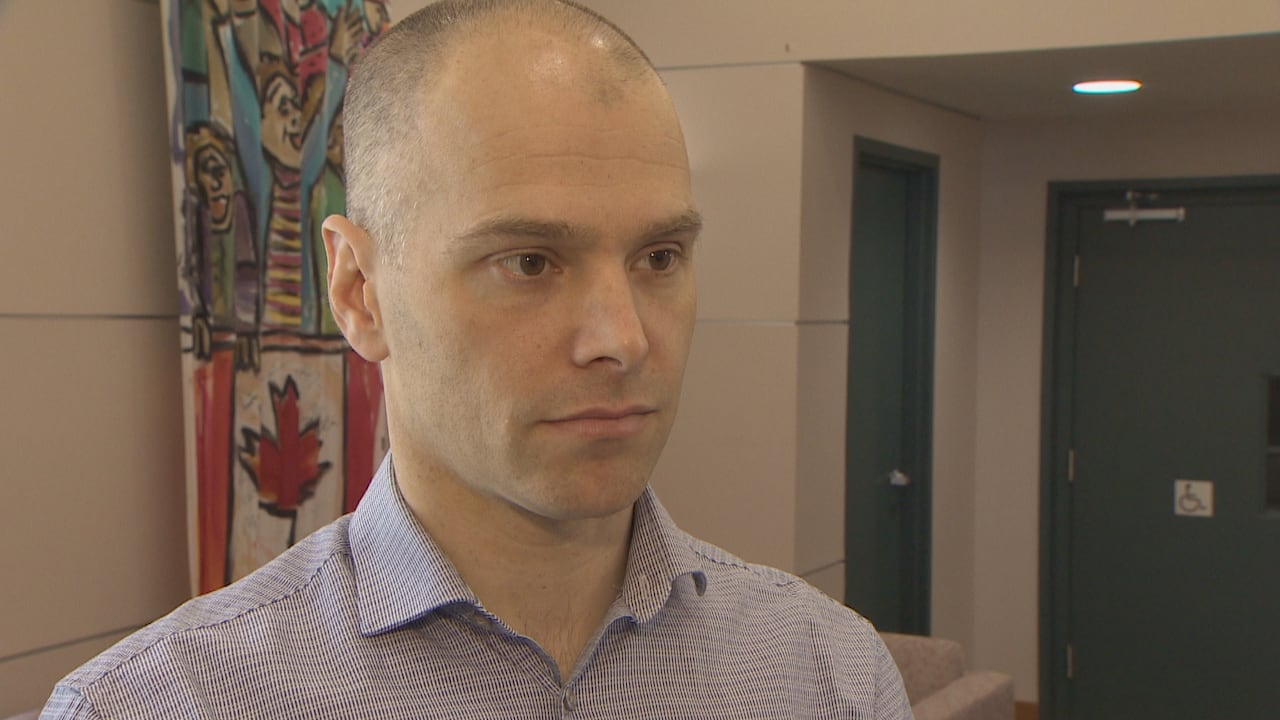
Dr. Tim Holland, pictured here in 2019. (CBC)
“To my knowledge, there is no reason other provinces could not follow suit,” Holland stated.
Nonetheless, he described Quebec’s decision as a “bold step,” adding that he would prefer a coordinated initiative led by the federal government across the nation.
Currently, Boisvert mentions that preliminary figures indicate around 30 advance requests have been completed in Quebec, with over 2,000 submissions made.
What happens next?
In 2023, the Special Joint Committee on MAID recommended amendments to the Criminal Code to permit advance requests under specific circumstances.
At that time, the government stated the issue required further examination.
In October of this year, national survey results were released, revealing that a majority of Canadians supported advance requests. However, the report did not outline any subsequent steps or future recommendations.
In a communication to CBC News, a representative for Justice Minister Sean Fraser indicated that Ottawa is currently assessing the evidence to determine the way forward.
For Secord in B.C., who has contacted politicians throughout Canada, the lack of prompt action on this matter is “disheartening.”
She also expressed that it is illogical not to permit advance MAID requests when individuals can opt for a DNR, or “do not resuscitate” order. Furthermore, she wishes for requests to extend even further, allowing individuals to complete them prior to a diagnosis, ensuring they retain capacity.
“We should all have the right to choose how our ending will occur.”

