
The recent resurgence of nuclear weapons testing has brought global attention back to this issue that had been relatively quiet for around thirty years. Russia’s recent test of a nuclear-powered missile without detonating an actual bomb has prompted President Donald Trump to announce the resumption of nuclear weapons testing by the U.S.
In the 21st century, North Korea stands as the only country to have conducted nuclear weapons tests, all of which were carried out underground. The U.S. last tested a nuclear bomb in 1992, while Russia’s last test was in 1990 and China ceased testing in 1996.
The iconic and chilling images of nuclear tests conducted in the open air during the late 1940s and 1950s have made a lasting impact, with the mushroom cloud becoming a symbol of the nuclear threat. The long-term consequences of these tests are still evident today, particularly in places like Bikini Atoll, where radioactive fallout contamination persists, rendering the area unsuitable for permanent habitation.
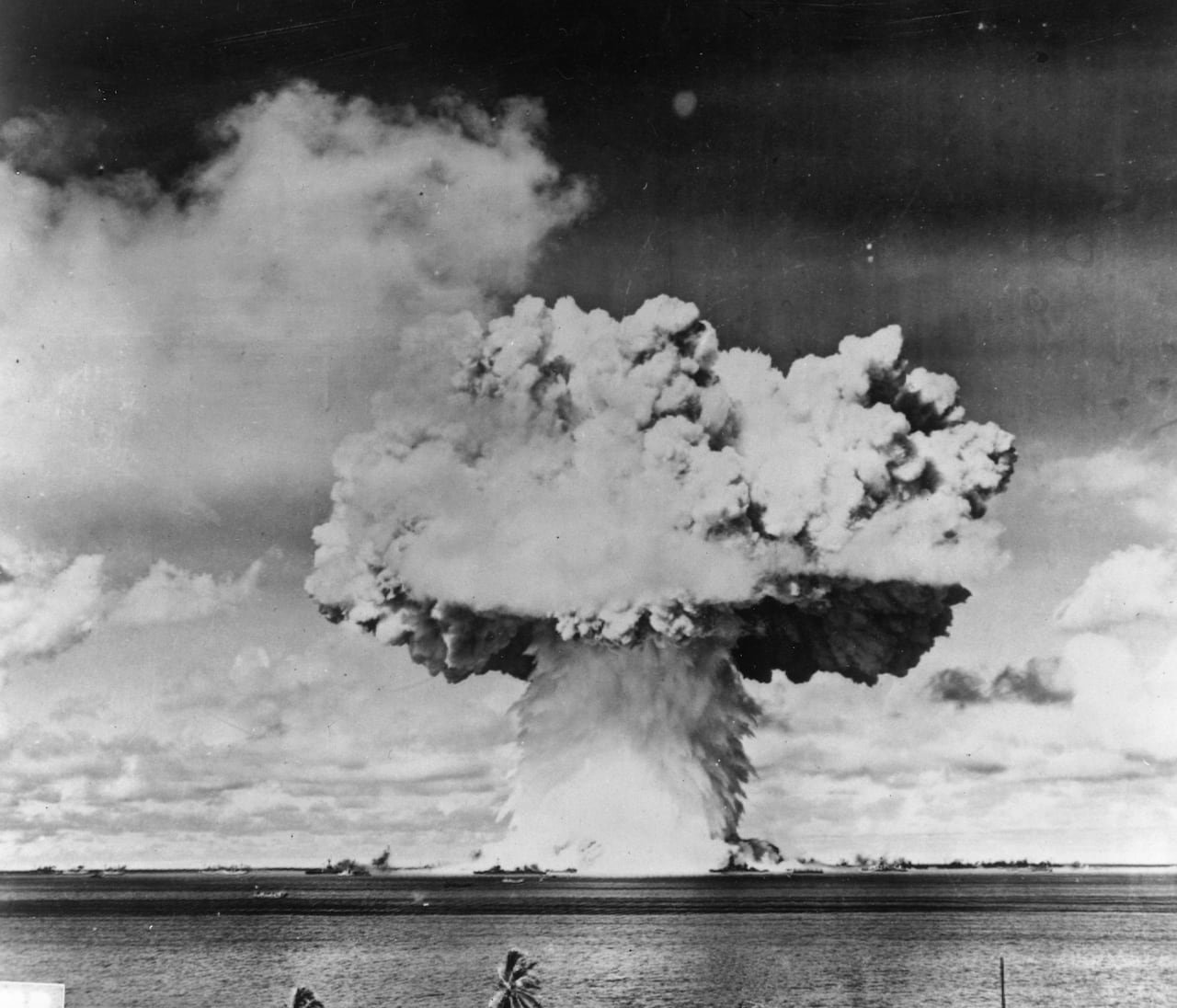
The era of atmospheric testing came to an end in 1963 with the signing of the Partial Test Ban Treaty by the U.S. and the Soviet Union, among others. While there were no specific mechanisms for ensuring compliance with the treaty, it effectively curbed nuclear testing. France continued above-ground testing until 1974, and China followed suit until 1980.
Factors that led to the cessation of testing
Throughout the 1980s, underground testing persisted among major powers, limiting the dispersion of radioactive fallout. However, a growing movement aimed at completely halting nuclear testing gained momentum. In 1992, the U.S. imposed a moratorium on testing, and in 1996, the Comprehensive Nuclear-Test-Ban Treaty (CTBT) was adopted by the United Nations, prohibiting all nuclear test explosions in any environment.
The CTBT established a global monitoring system to detect any nuclear tests, using various methods to monitor seismic activity, sound waves in the ocean, and atmospheric radiation. Despite being able to detect North Korea’s tests, the treaty has not come into full effect due to insufficient ratifications by key nuclear powers and other countries like the U.S., Russia, China, India, Pakistan, Israel, Iran, Egypt, and North Korea.
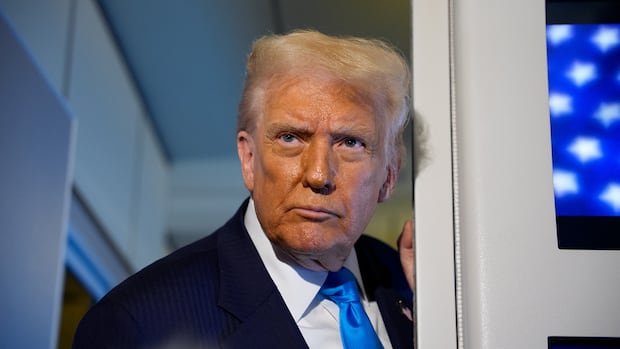
Trump ordered the resumption of nuclear weapons tests for the first time since 1992. A day earlier,

