
In Quebec City, a trio of geriatricians has established a clinic aimed at assisting seniors in avoiding lengthy emergency room visits.
Dr. Valérie Plante, one of the founders, noted that emergency room visits can have detrimental health implications for older adults, congest the healthcare system, and often result in hospital admissions only half of the time.
“Upon their discharge from the ER, they often aren’t the same individual they were upon arrival. It’s truly unfortunate,” Plante shared with Radio-Canada.
Her motivation to “discover an alternative” for at-risk seniors led to the creation of a clinic focusing on semi-urgent cases.
Since 2024, seniors with a “geriatric profile” may be referred to the rapid-access clinic for seniors at Santé Québec Capitale-Nationale (previously known as CIUSSS de la Capitale-Nationale) by their family physicians or from the emergency department.
Common referral reasons include cognitive decline, falls, and symptoms associated with dementia.
According to Plante, patients who are diverted from the ER to the clinic typically reduce their wait time by an average of 10 hours.
Furthermore, data from Santé Québec Capitale-Nationale indicates that the average waiting period for an initial appointment is under four days. In the 2025-2026 period, the clinic treated 685 patients, surpassing its goal of 600.
Addressing the Needs of Seniors
Dr. Marcel Émond, an emergency physician, researcher, and professor at Université Laval, commended the initiative.
He characterizes the emergency room as an environment that can be “somewhat hostile” for the elderly and has personally referred older patients to the clinic.
“As emergency practitioners, we believe this could be one of the solutions to ensure seniors receive the appropriate care at the right time from the right providers,” Émond remarked.
Plante elaborated on how a consultation at the rapid-access clinic significantly differs from an ER visit.
“We have a setup that fosters a calm environment and facilitates proper communication,” she explained.
“That’s far from the experience in the ER, where there might be a crying baby nearby, an intoxicated patient on another stretcher, and you’re trying to converse with someone who can hardly hear.”
Plante also highlighted that spending 10 hours on a stretcher can increase the risk of delirium—acute confusion—by two to five times in older patients with cognitive impairments. The long-term consequences can be grave, leading to “a decline in functioning six months later, a fivefold increase in cognitive disorders, and a doubling of mortality rates.”
However, she reassured seniors that they should not hesitate to seek emergency care if they face a pressing medical concern.
‘An Inspiring Initiative’

The clinic, situated within Saint-Sacrement Hospital, assists seniors in steering clear of extended emergency room visits. (Marika Wheeler/Radio-Canada)
In the well-lit offices of the rapid-access clinic located inside Saint-Sacrement Hospital, stretchers are available in the consultation rooms but are seldom utilized by patients.
Plante noted that just one day of immobility on a stretcher could necessitate a week of rehabilitation for some seniors.
To ensure a more effective visit, patients and their families complete questionnaires and undergo assessments prior to arriving at the clinic. Plante mentions that an average appointment lasts about three hours.
“It fills me with pride when an elderly person says to me, ‘Thank you, you handled that so well, I’ve never had a consultation like this!’” she expressed.
“That alone makes my day. No salary can compare to that joy.”
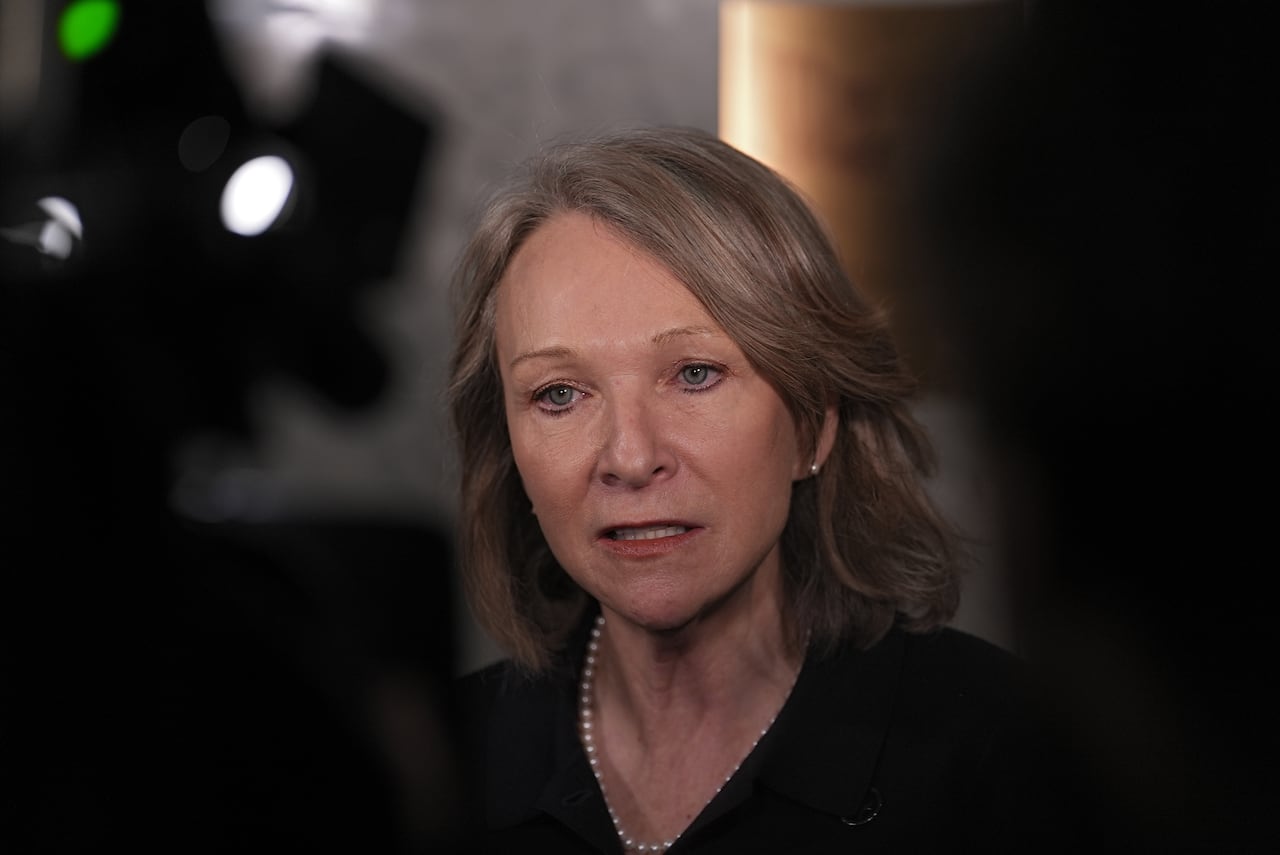
Health Minister Sonia Bélanger expressed her hope to see similar clinics throughout Quebec. (Sylvain Roy Roussel/Radio-Canada)
Health Minister Sonia Bélanger, who also oversees seniors, caregivers, and social services, praised the clinic, describing it as “an inspiring initiative that addresses the challenges posed by an aging population.”
The clinic even received an accolade in the ‘minister’s favourite’ category at Santé Québec’s Prix Empreinte awards event earlier in June.
Bélanger added her aspiration to see similar clinics established across the province.
Émond, the first emergency physician to research geriatric emergency medicine in Quebec, shares this vision for the future.
“Each region must adapt [these alternatives] according to their resources to prevent unnecessary ER visits,” he stated.
While some areas have developed tailored services for seniors within their emergency departments, Plante remarked that she is not aware of any other independent clinics like hers within the province but noted that her initiative has generated considerable interest among peers.

