

The latest clinical guidelines emphasize that Canadians should not be required to justify their need for HIV prevention medications to obtain them.
Dr. Darrell Tan, a physician-scientist at St. Michael’s Hospital in Toronto and the primary author of the new guidelines, advocates for doctors to readily prescribe these medications to any adult or adolescent seeking them, without extensive inquiries into their personal health details.
Published in the Canadian Medical Association Journal, the guidelines offer recommendations on prescribing antiretroviral drugs for HIV prevention, marking the first update since 2017.
New data reveals that Canada is falling short of its target to eradicate the HIV public health threat by 2030, with a surge in new infections in underserved communities lacking access to healthcare and information.
Factors Contributing to High HIV Rates
In 2024, Canada documented 1,826 new HIV cases, excluding 476 cases from Quebec, which did not contribute data to the federal report.
While there was a slight drop from the 2,434 cases reported in 2022, the decline is not statistically significant, indicating a continuous rise in HIV diagnoses in Canada since 2021.
Despite significant advancements in HIV treatment and prevention medications, the number of preventable infections remains concerning, prompting Dr. Tan to advocate for reducing infections to zero using highly effective and safe measures.
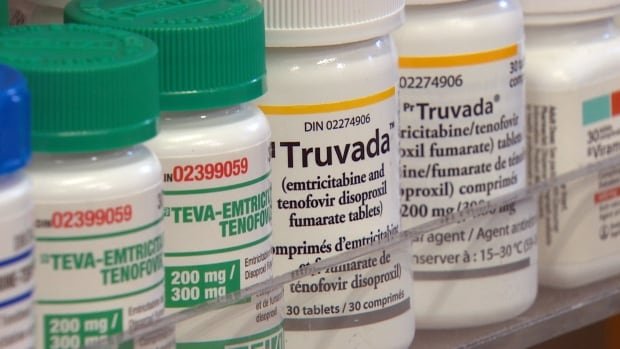
By maintaining low viral loads through regular medication, individuals with HIV can achieve undetectable levels, making them untransmittable via sexual contact, known as U = U. Furthermore, pre-exposure prophylaxis (PrEP) significantly reduces the risk of HIV transmission, while post-exposure prophylaxis (PEP) serves as an emergency measure to prevent infection post-exposure.
The updated guidelines concentrate on PrEP and PEP, highlighting the underutilization of these drugs primarily due to restrictive practices by healthcare providers who only prescribe them to individuals reporting high-risk behaviors.
The guidelines acknowledge various barriers, including stigma and discrimination, that prevent individuals from disclosing their HIV risk behaviors to healthcare providers.
While advocating for doctors to proactively prescribe HIV prevention drugs to at-risk individuals, the guidelines also stress the need for improved public health messaging around these medications.
Dr. Tan underscores the lack of widespread public campaigns promoting PrEP, particularly in reaching marginalized populations such as drug users, low-income groups, and Indigenous communities.
Approximately one-third of new infections affect women, 38% impact gay, bisexual, and other men who have sex with men, and 25% occur in people who inject drugs.
Indigenous communities face a disproportionate burden, accounting for 19.6% of new HIV cases in 2023, despite representing only 5% of the population.
Efforts are underway to address these disparities, with initiatives like an HIV-testing program in underserved Indigenous communities in the Prairies, aimed at reaching those most affected by the crisis.
Although Canada’s progress towards ending HIV as a public health crisis by 2030 is lagging, Dr. Tan remains hopeful that leveraging available

