
Struggling with certain computer science concepts while preparing for a recent midterm, Elaine Xiao turned to ChatGPT for a quick explanation, finding it to be a convenient solution compared to scouring multiple articles.
According to Xiao, the generative AI tool communicates in a user-friendly manner, making it easier to grasp complex topics. She emphasized how AI tools aid in studying effectively and working efficiently.
Recent data from a KPMG Canada survey shows a rising trend among Canadian post-secondary students utilizing AI for academic purposes. The survey revealed that nearly three-quarters of young adults reported using generative AI tools for their studies, reflecting an increase from the previous year’s 59 percent.
Despite the growing reliance on AI for academic tasks, students express concerns over potential cheating and the impact on their critical thinking skills. Experts suggest the need for clearer guidelines and support from educators and institutions to address these apprehensions.
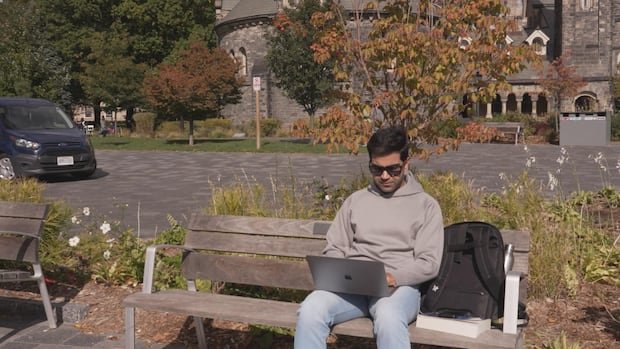
Insights from students in Toronto and Calgary on leveraging Gen AI for academic tasks and their perspectives on the technology.
Addressing Academic Challenges
Elaine Xiao, equipped with clear guidelines from her school and professors on AI usage, views AI as a valuable tool to enhance her thinking process. She described AI as a catalyst for generating ideas and overcoming academic hurdles swiftly.
When tasked with creating engaging classroom activities based on assigned readings, Xiao utilized AI for brainstorming, allowing her to develop customized content tailored to her class’s requirements.

While the majority of respondents in the KPMG Canada survey reported improved academic performance due to AI integration, concerns persist regarding potential cheating and diminished learning experiences. This underscores the necessity for institutions to offer students comprehensive guidance on ethical AI utilization, as highlighted by Rob Clayton, KPMG’s national education lead in Canada.

Clayton advocates for integrating AI education into daily academic practices to align with students’ frequent use of the technology. The survey’s findings underscore student concerns about AI’s impact on future job prospects and their varying degrees of trust in AI versus human expertise, highlighting the need for further exploration and support in this area.
“We need to delve deeper into understanding how students engage with AI

