
These songbirds seem to have soft feathers and a plump physique. As they take flight, the white spots on their grey and black wings sparkle in the sunlight.
However, during feeding time, these birds reveal their predatory side. They capture various prey, such as insects, mice, and frogs, impaling them on sharp thorns or barbed wire before enjoying their meal.
These creatures are loggerhead shrikes, a vulnerable species commonly referred to as “butcher birds.” Their primary breeding area on the Prairies is located in Saskatchewan, but conservationists are raising alarms about the gradual loss of their habitats.
Kerry Hjertaas, a birder from Saskatoon, 42, witnessed shrikes in action this summer in a field adjacent to his workplace.
One day, while Hjertaas was entering his vehicle, a shrike landed on the barbed-wire fence next to the parking lot and impaled its catch on the wire, he recounted. Another shrike soon joined to partake in the meal.
“They both began tearing pieces off, and it vanished quite quickly,” he stated. “I had read about this, but seeing it live was really exciting.”
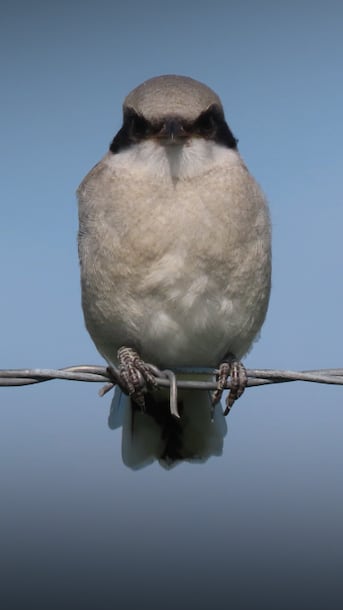
Loggerhead shrikes are considered a vulnerable species, commonly termed “butcher birds.” Their primary breeding area on the Prairies exists in Saskatchewan, though advocates for wildlife express concerns about the ongoing destruction of their habitats.
According to Emily Putz, the habitat stewardship coordinator for Nature Saskatchewan’s shrubs for shrikes initiative, shrikes kill in this manner because, as songbirds, they lack talons in their delicate feet.
Putz noted that shrikes are the only birds in Saskatchewan that utilize this hunting technique.
“They are such an extraordinary bird with distinct behaviors,” Putz remarked. “It’s truly fascinating to observe them in action.”

Emily Putz emphasizes the uniqueness of the ‘butcher bird’ in Saskatchewan. (Kirk Fraser/CBC)
A vulnerable species
Putz stated that roughly 40,000 shrikes remain in Saskatchewan. They are classified as a threatened species, which is regarded as one level below endangered.
The loss of habitat is significantly affecting shrikes, according to Putz.
These birds depend on native prairies for nesting and hunting, but only about 13 percent of Saskatchewan’s native prairie remains. As a result, Putz indicated that they have adjusted to nesting in shelterbelts, which are rows of shrubs planted around field edges.
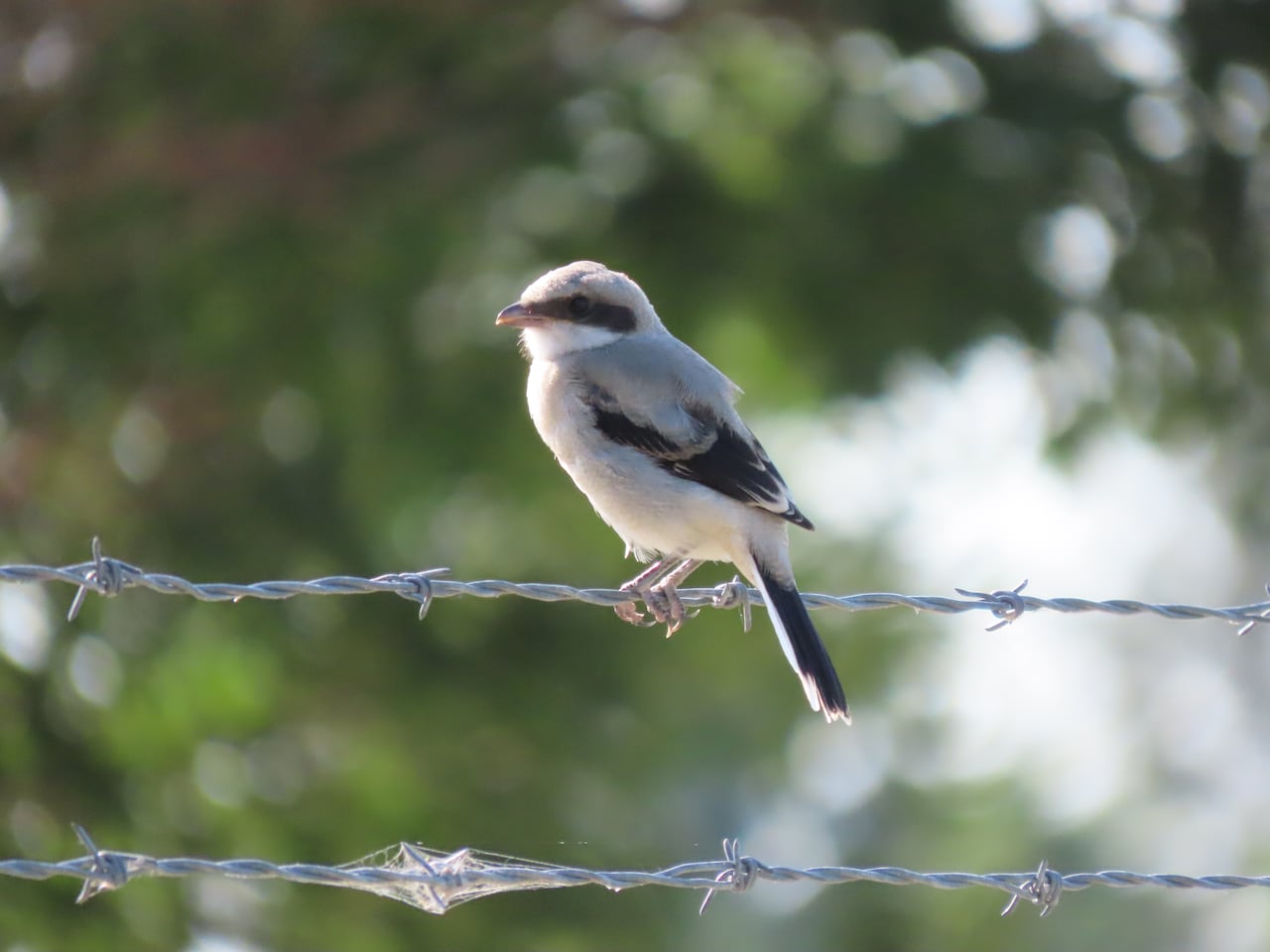
Loggerhead shrikes are capable of killing their prey by impaling it on barbed wire. (Submitted by Kerry Hjertaas)
However, this habitat is also at risk as some landowners and farmers remove shelterbelts to accommodate larger farming equipment, Putz explained.
“So [shrikes are] facing a double challenge of losing both their natural and adapted habitats,” she added.
The shrikes located near Hjertaas’s workplace may also need to find new locations in the future. Their current habitat, situated east of Hampton Village and Westview, is set for commercial development, he mentioned.
Hjertaas expressed that it would be “somewhat sorrowful” to lose shrikes in the area, but he hopes they will migrate to other fields, where he can still observe them.
In a statement, the City of Saskatoon noted that while shrikes are visible around the city, it is “not aware of any designated critical habitat for loggerhead shrike near Saskatoon.”
The city advised that developers should check for bird nests in the vicinity prior to any construction. If a shrike nest is discovered, “suitable buffers would be established around the nest to ensure its protection.”
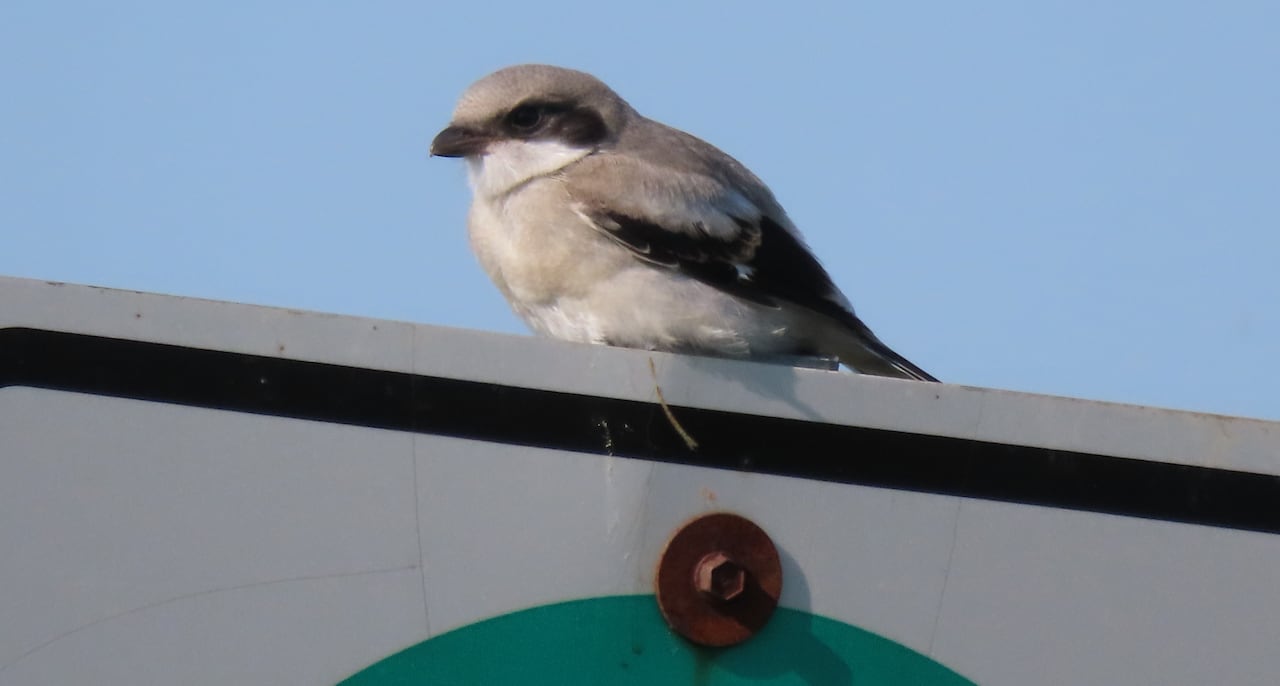
According to Emily Putz, shrikes are losing both their native and adapted habitats. (Submitted by Kerry Hjertaas)
Conserving shrikes
Nature Saskatchewan monitors reported shrike sightings annually and conducts field surveys to assess local shrike populations, Putz stated.
As an enthusiast of wildlife observation, Hjertaas mentioned that he has reported his sightings to assist in the preservation of the birds.
“Having them protected ensures their continued presence,” he remarked. “They play an essential role in the ecosystem.”
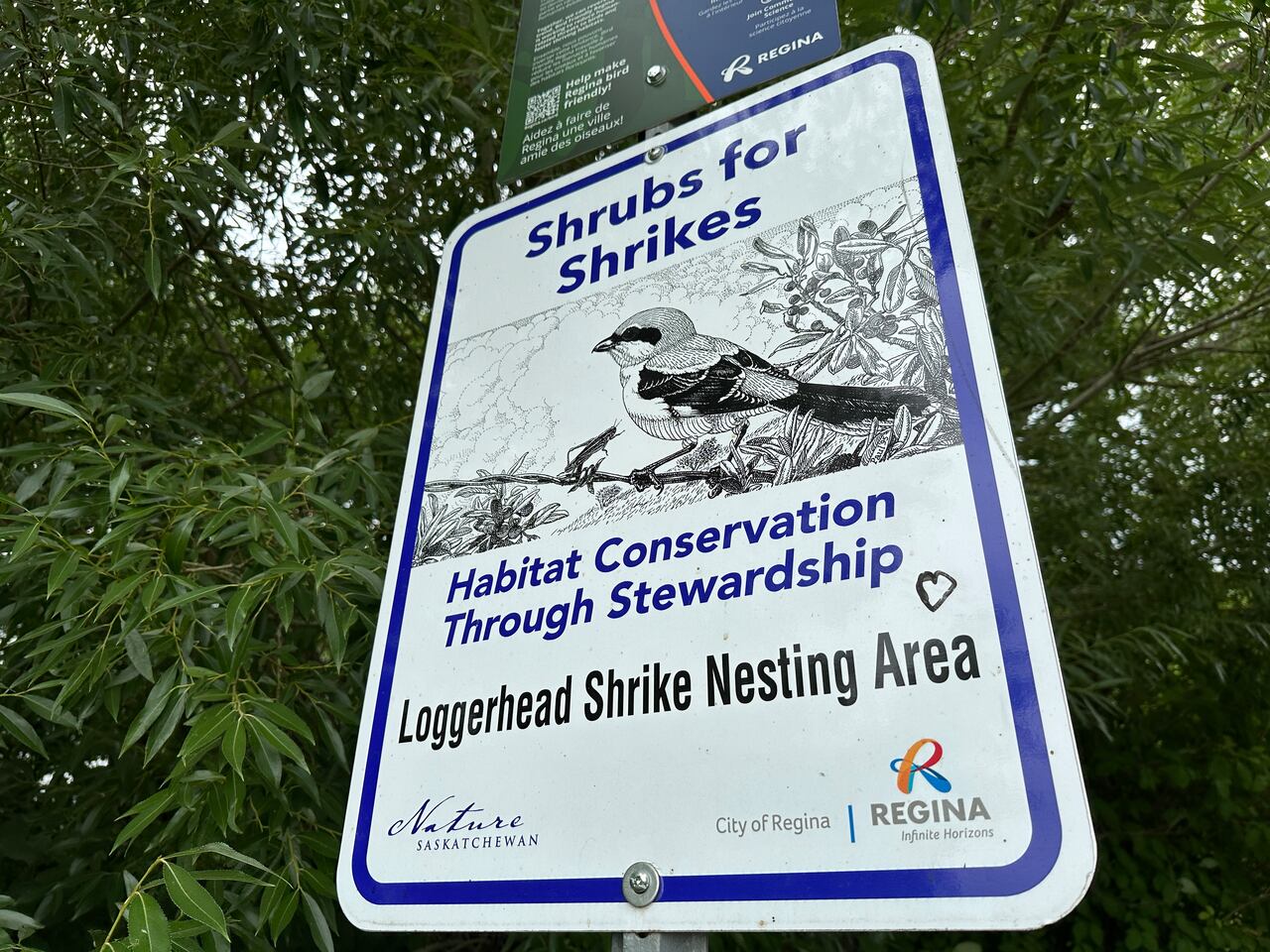
A.E. Wilson Park in Regina is home to a nesting area for loggerhead shrikes. (Kirk Fraser/CBC)
Putz mentioned that the public can contribute by planting thorny shrubs, such as buffalo berry and hawthorn, for shrikes to utilize.
“It’s a distinctive species. It provides excellent pest control,” Putz noted. “It’s crucial that we do whatever we can to assist them, ensuring that future generations will have the opportunity to see them.”

