
Amid the ongoing deep freeze in southwestern Ontario and a road salt shortage in municipalities, there is a growing interest in exploring alternative methods to melt road ice.
Researchers at Western University have initiated a study in 2022 to investigate this matter, with plans to unveil the study findings later this summer.
The research is currently evaluating nine different substances to determine their effectiveness in melting road ice across various conditions.
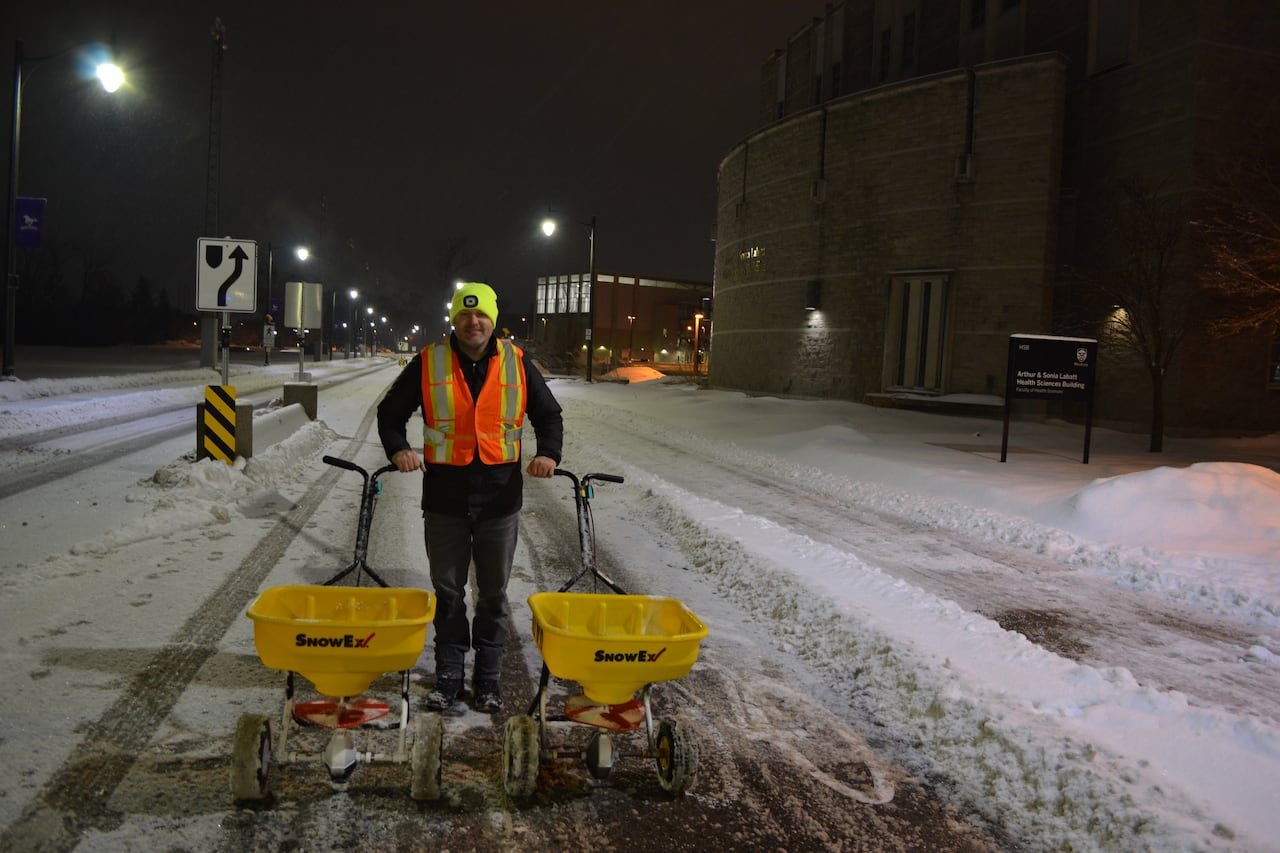
Christopher Power, a key contributor to the study, highlighted that sodium chloride, commonly known as rock salt, is the preferred choice for Ontario municipalities primarily due to its affordability.
Environmental Impact of Salt Usage
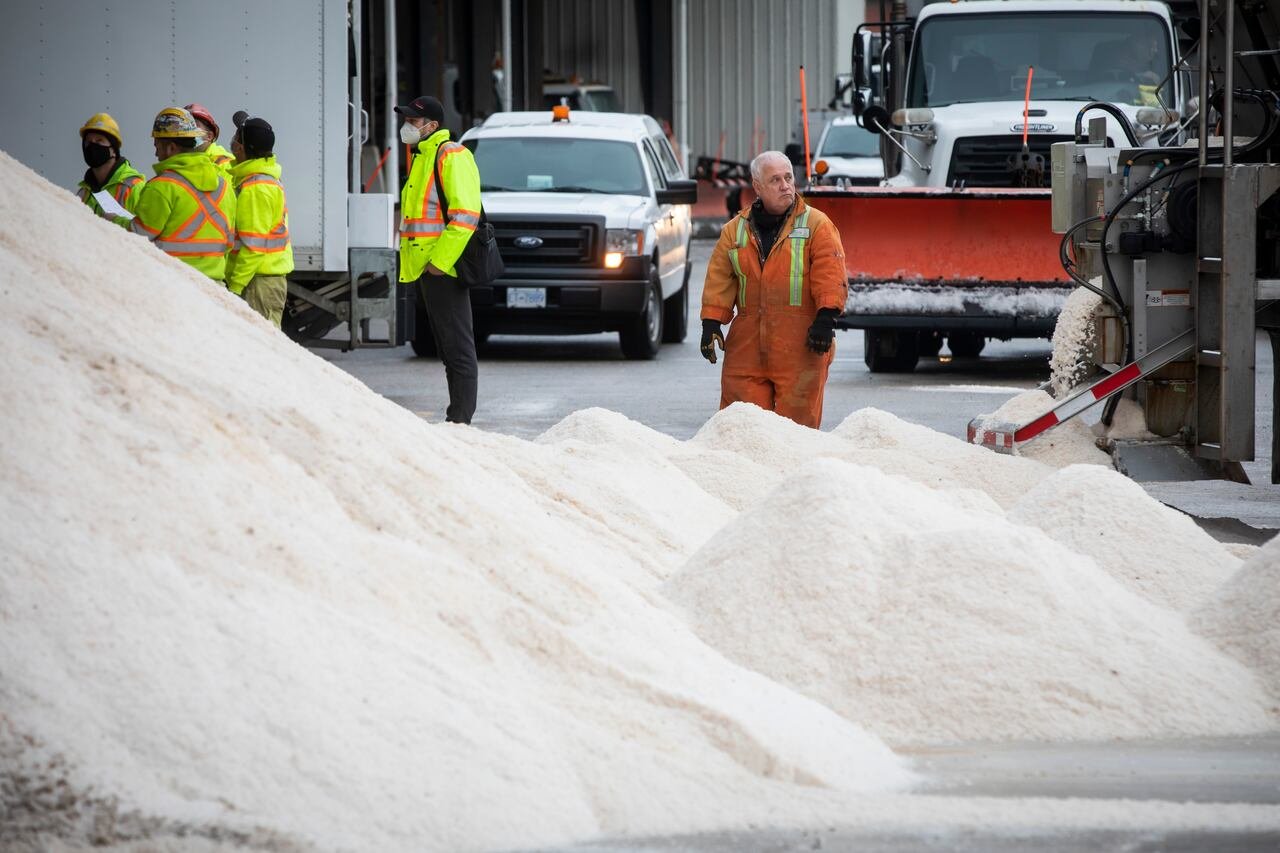
Although rock salt effectively clears ice from roads by lowering the freezing point of water, thus melting existing ice and preventing new ice formation, it has well-documented drawbacks.
Rock salt’s corrosive nature can accelerate the deterioration of metal structures near or on roadways, including bridges, vehicles, and guardrails.
Moreover, a significant environmental concern arises from the runoff of salt into water bodies, such as rivers and the Great Lakes, leading to a rapid increase in salinity levels, posing a threat to freshwater ecosystems, as cautioned by experts.
Power emphasized that rock salt’s efficacy diminishes at temperatures around -10°C.
Among the alternative ice-melting agents under scrutiny at Western University, some are already in use for different applications, including sodium acetate and beet juice.
During the study, sections of Western University’s campus were cordoned off to allow the grounds crew to experiment with various substances for ice clearance.
Power mentioned that while the study phase has concluded, researchers are now focused on analyzing the collected data, assessing each substance’s melting efficiency and corrosive impact.
Currently, there is no definitive standout among the sodium chloride

