
A recent study conducted by researchers at the Woods Hole Oceanographic Institution in Massachusetts has discovered that the breath of North Atlantic right whales contains significant information about their health.
Utilizing drones, the scientists collected spray from the blowholes of these endangered whales and examined the bacteria present in the spray. By combining this data with other information, they were able to gain insights into the health status of individual whales.
Lead author Carolyn Miller, a research associate at WHOI, expressed enthusiasm about this new approach, stating that it could offer a novel method for monitoring the health of these critically endangered whales.
According to experts, the population of North Atlantic right whales is alarmingly low, with fewer than 400 individuals remaining worldwide. Factors such as ship collisions and entanglement in fishing gear pose serious threats to the survival of these whales.
Since implementing the drone technique in 2016, researchers at WHOI have collected 103 samples from 85 North Atlantic right whales in Cape Cod Bay, Massachusetts. This method involves flying a drone equipped with a petri dish over a whale to capture its breath as it exhales through the blowhole. The samples are then analyzed for further study.
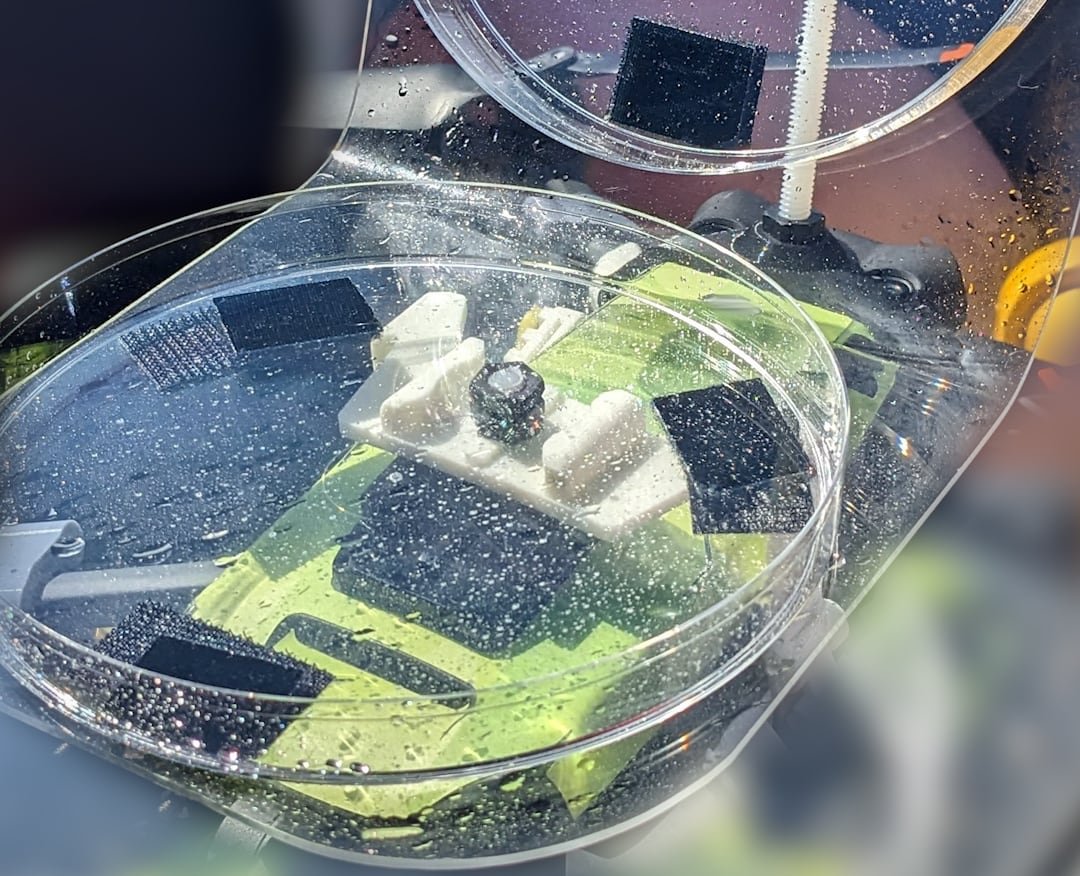
Although the use of drones for sample collection is not a new concept, researchers have now established a connection between the types of bacteria found in the whales’ breath and their health status for the first time.
By correlating the microbial samples with detailed images and existing data on the whales’ physical characteristics, the researchers observed that thin whales tend to harbor bacteria associated with infections, while robust whales exhibit bacteria linked to healthy, oil-rich environments.
Miller highlighted the advantages of using drones for sample collection, emphasizing that it is a safer and less invasive method compared to traditional approaches that require researchers to be in close proximity to the whales.
Sean Brillant, a senior conservation biologist at the Canadian Wildlife Federation, commended the study as a groundbreaking approach that offers valuable insights into the health monitoring of North Atlantic right whales.
He noted that the ability to study the respiratory spray of these whales could provide crucial information for monitoring their health, especially for individuals that have experienced past threats such as entanglements or ship strikes.
MORE TOP STORIES

