
Front-line workers in Winnipeg are witnessing a significant rise in opioid overdoses, leading to a drug epidemic that is claiming lives and straining emergency responders with numerous daily calls. Dr. John Younes, Manitoba’s chief medical examiner, has observed a notable increase in drug-related fatalities starting approximately four months ago.
Among those who succumbed to this crisis was Alysha Wallin, a 32-year-old known for her love of cats and her compassionate nature. She tragically died in January from a fentanyl overdose. Her partner, Jason Podolaniuk, described fentanyl as “evil” due to its potency compared to heroin, emphasizing the daily toll of deaths caused by the drug.
An analysis by CBC based on 15 years of data from the Winnipeg Fire Paramedic Service reveals that 2026 has seen a record number of substance abuse calls, surpassing previous years. Opioids have now surpassed alcohol as the primary cause of emergency responses by the fire-paramedic service, with April alone witnessing a surge in opioid-related cases.
Scott Wilkinson, Winnipeg’s deputy chief of fire and rescue operations, expressed the urgency of the situation, stating that the crisis is widespread across the city, affecting various neighborhoods.
The Manitoba government recently allocated $1 million to combat the ongoing drug crisis, including launching a pilot program by the Winnipeg Fire Paramedic Service to address overdose calls in high-risk areas.
2 revivals in 45-minute ride-along
A recent ride-along with Amy Hancox, a district chief of paramedic operations, showcased the daily challenges faced by front-line workers. In just 45 minutes, two individuals were revived with naloxone, a crucial medication for reversing opioid overdoses.
Hancox highlighted the unpredictability of dealing with individuals under the influence of drugs like methamphetamines, emphasizing the constant vigilance required to ensure safety during emergency responses.
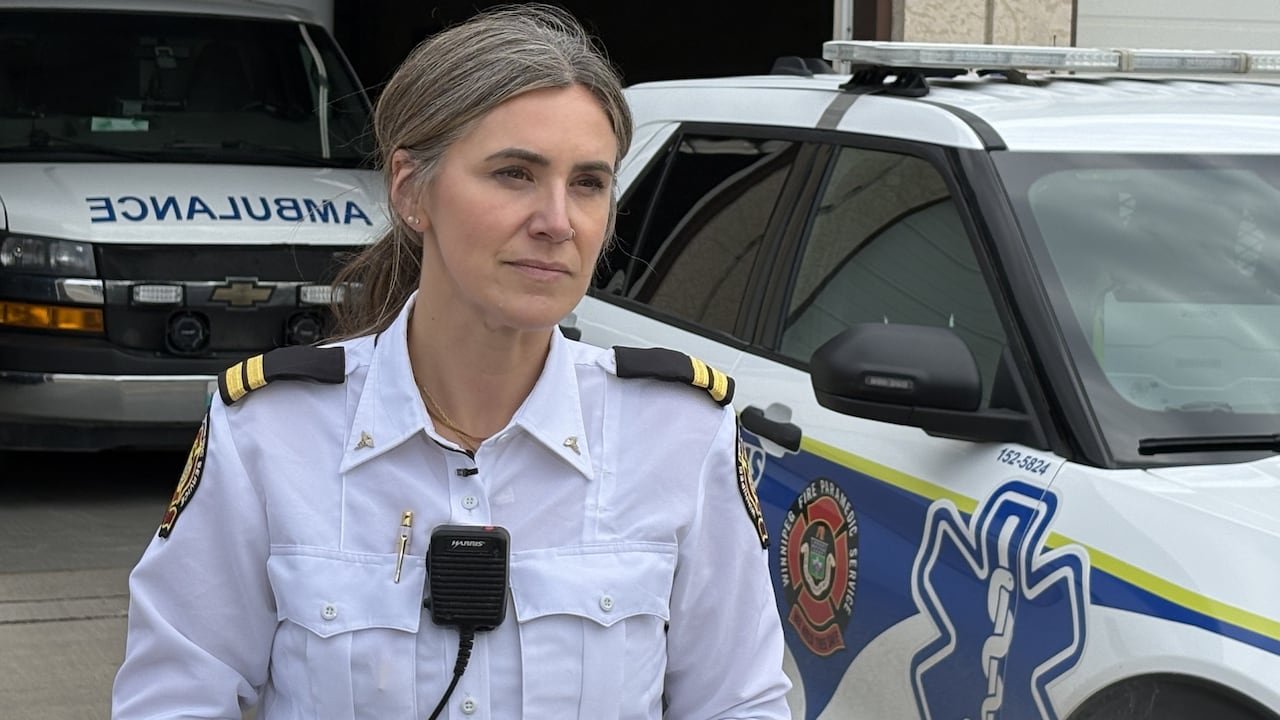
Responders noted the increasing challenges of reviving individuals due to the potency of substances like carfentanil and medetomidine, which are resistant to naloxone and pose heightened risks during emergency interventions.
Following a surge in drug-related deaths in April, organizations like Main Street Project urged the province to declare a public health emergency, emphasizing the severity of the current overdose crisis.
Jamil Mahmood, executive director of Main Street Project, described the current overdose rates as unprecedented and emotionally taxing for front-line workers.

