
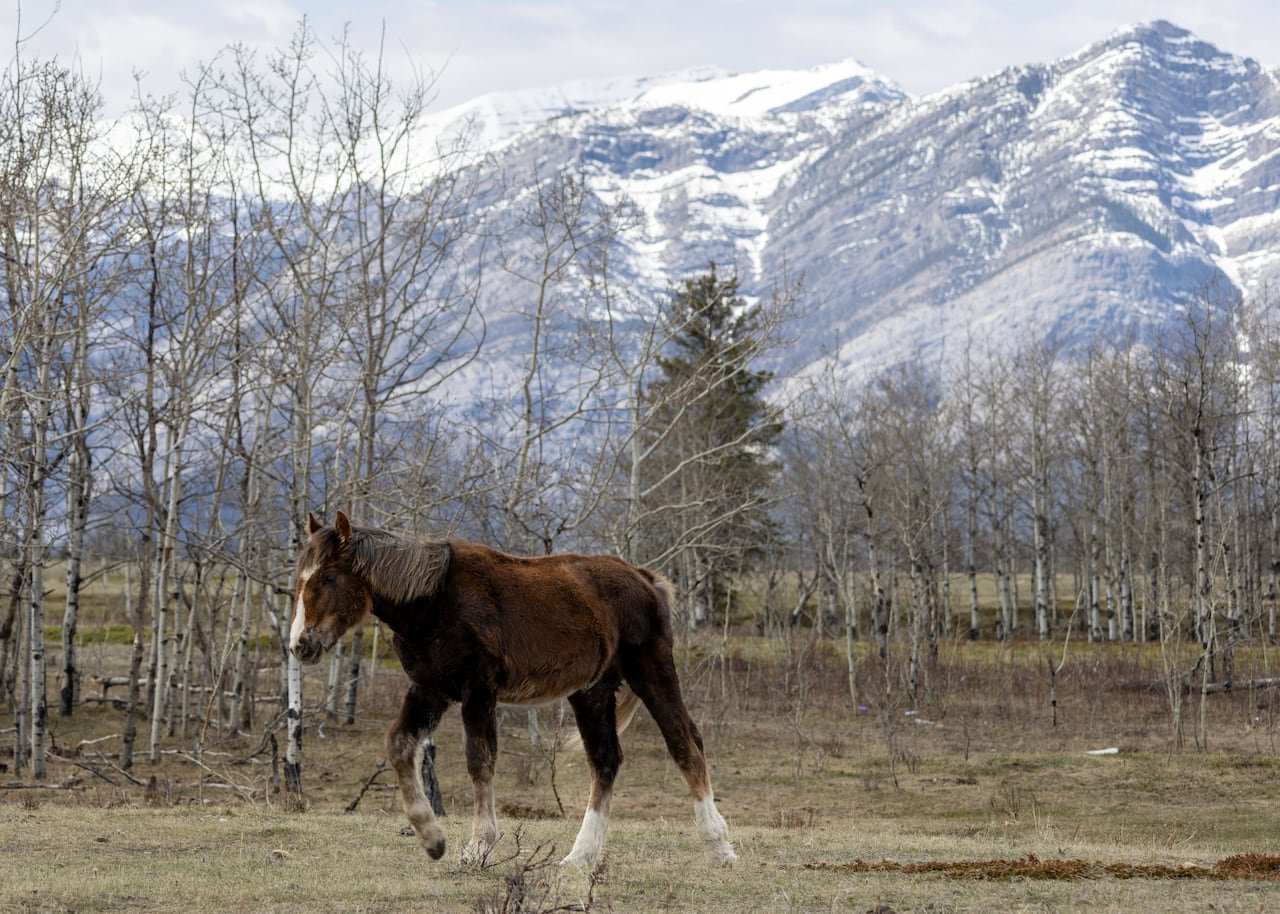
Spotting the horses on the route to the mountains is quite common. The eastern slopes of Alberta host a significant population of wild horses, and it’s almost a given to see herds of free-roaming horses near Highway 1 heading west from Calgary all year round.
However, the number of what the Alberta government refers to as “feral horses” has risen to levels deemed “unacceptable” according to the province’s horse management strategy. Results from the latest annual feral horse survey conducted by the province indicate a minimum of 2,072 wild horses across Alberta’s six equine management zones, marking the highest count ever recorded. The population levels in the Sundre, Ghost River, Elbow, and Clearwater zones are described as “not ecologically sustainable.”
While the province does not manage the free-roaming horses along the Trans-Canada Highway, they are believed to have contributed to the feral horse population in the surrounding regions.
Todd Loewen, the Forestry and Parks Minister, emphasized the necessity of controlling horse populations to prevent excessive grazing impact on cattle and wildlife areas. The province’s feral horse management framework, initiated in 2023, outlines strategies such as removal from the wild, adoption, and contraception administration for population control.
In equine management zones where the horse count exceeds the threshold set by the province and is classified as “unacceptable,” management measures include licensed capture and selling of horses. The Alberta government categorizes these horses as stray animals rather than wildlife.
Dispute Over Sundre Data by Advocacy Group
The population threshold in the Sundre equine management zone is 1,000 horses. The latest count by the province indicates at least 1,303 horses residing there — the highest count on record and the first time since 2018 that the threshold has been surpassed.
However, an advocacy group that conducts independent population surveys in the Sundre area questions the accuracy of the province’s data. Darrell Glover, the founder of the Help Alberta Wildies Society, stated, “We are the only ones truly aware of the situation out there. We are constantly monitoring the area, which is our full-time commitment, and we understand the dynamics of the wild horse herds.”
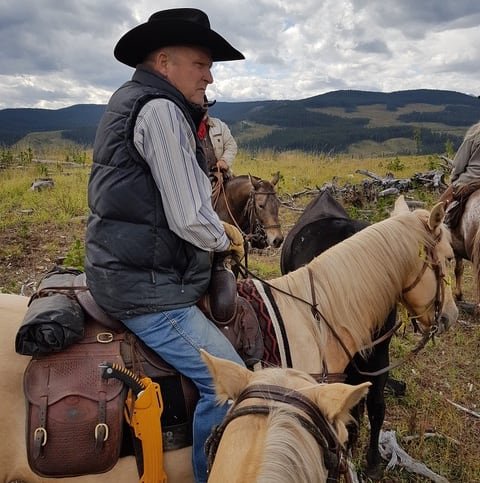
The advocacy group conducts its own aerial survey of the horse population in the Sundre zone. Glover, a pilot with fifty years of experience, reported a count of 1,005 horses this year — slightly above the province’s population threshold but significantly lower than the government’s findings.
Last year, the provincial survey recorded 855 horses in the Sundre zone.
Glover dismissed the reported increase of over 50% as “physically and biologically impossible.”
Loewen clarified that the government’s methodology for the annual horse count remained unchanged this year, but better weather conditions might have facilitated the identification of horses for the province’s helicopters and ground crews.
“We only tally them when

