
Conservationists and wildlife specialists in Canada are expressing serious concerns following the decision by U.S. President Donald Trump’s administration to relax habitat protections for endangered species in July.
On July 10, the U.S. Department of the Interior announced that it was overturning a long-standing definition of “harm” as outlined in the Endangered Species Act (ESA).
Immediately, wildlife and environmental organizations denounced the move, arguing that it disregards the ecosystems essential for vulnerable species amidst significant biodiversity decline and industrial pressures.
Nearly a dozen organizations have initiated a lawsuit in U.S. District Court against the repeal, which is set to take effect on September 14.
Experts in Canada informed CBC News that this alteration could pose risks to wildlife that traverse both nations, including species that migrate across the border to seek food, reproduce, or avoid harsh Canadian winters.
Species at risk include migratory birds, northern spotted owls, grizzly bears, and southern resident killer whales, or orcas, according to Torrance Coste, associate director of the Wilderness Committee based in British Columbia.
“There are no borders in their habitat. They simply swim between U.S. waters and Canadian waters without recognizing the difference,” Coste remarked.
“The U.S. is setting a lower standard by redefining what constitutes harm to endangered species … this is a significant concern for us.”
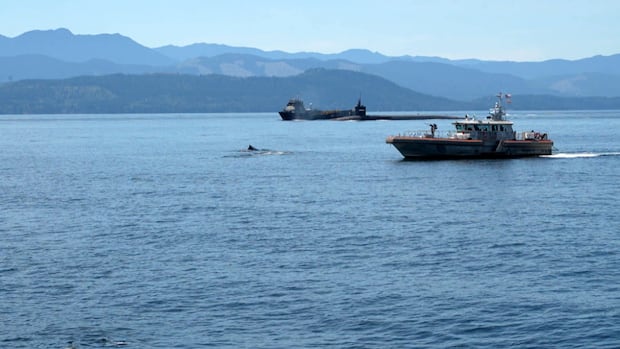
B.C.’s Salish Sea is home to a variety of marine mammals, including the critically endangered southern resident killer whale. For The National, CBC’s Caroline Barghout takes a closer look at the fight to protect marine life in one of North America’s busiest shipping corridors.
What constituted ‘harm’?
The Trump administration claimed that revoking the definition would “put an end to years of federal overreach.”
It asserted that Endangered Species Act protections would still be maintained while alleviating “burdens on landowners and communities.”
For many years, U.S. agencies understood “harm” to encompass actions that kill or injure wildlife due to significant habitat alterations or degradation. This interpretation was supported by the U.S. Supreme Court in the mid-1990s.
The repeal “seriously undermines the methods we’ve used to safeguard species for the past 50 years,” remarked Noah Greenwald, co-director of endangered species at the Center for Biological Diversity, one of the organizations suing the administration.
When habitats in the U.S. decline, Greenwald explained to CBC News, “it will undoubtedly impact wildlife populations in Canada.”

The Trump administration has justified the rescission of the ‘harm’ definition under the Endangered Species Act. (Jacquelyn Martin/The Associated Press)
Habitat destruction and biodiversity loss
Dennis Murray, a biology professor at Trent University and an expert in wildlife conservation, stated that protecting species is “nearly impossible” if they spend a significant portion of the year in areas where habitat protections have been weakened.
He noted that habitat destruction is the primary cause of biodiversity loss globally. Certain species rely on specific plants or ecosystems, like monarch butterflies, which require milkweed for egg-laying and feeding their larvae.
Despite this, Murray indicated that the notion that wildlife protection doesn’t extend throughout an animal’s entire “home range” is gaining traction.
“We wouldn’t be happy if a fire destroyed our home but left our bedroom intact, right? We need the whole house,” he stated.
“Similarly, wildlife require their entire home ranges and the broader areas they inhabit, rather than solely focusing on the individual or its nesting site.”
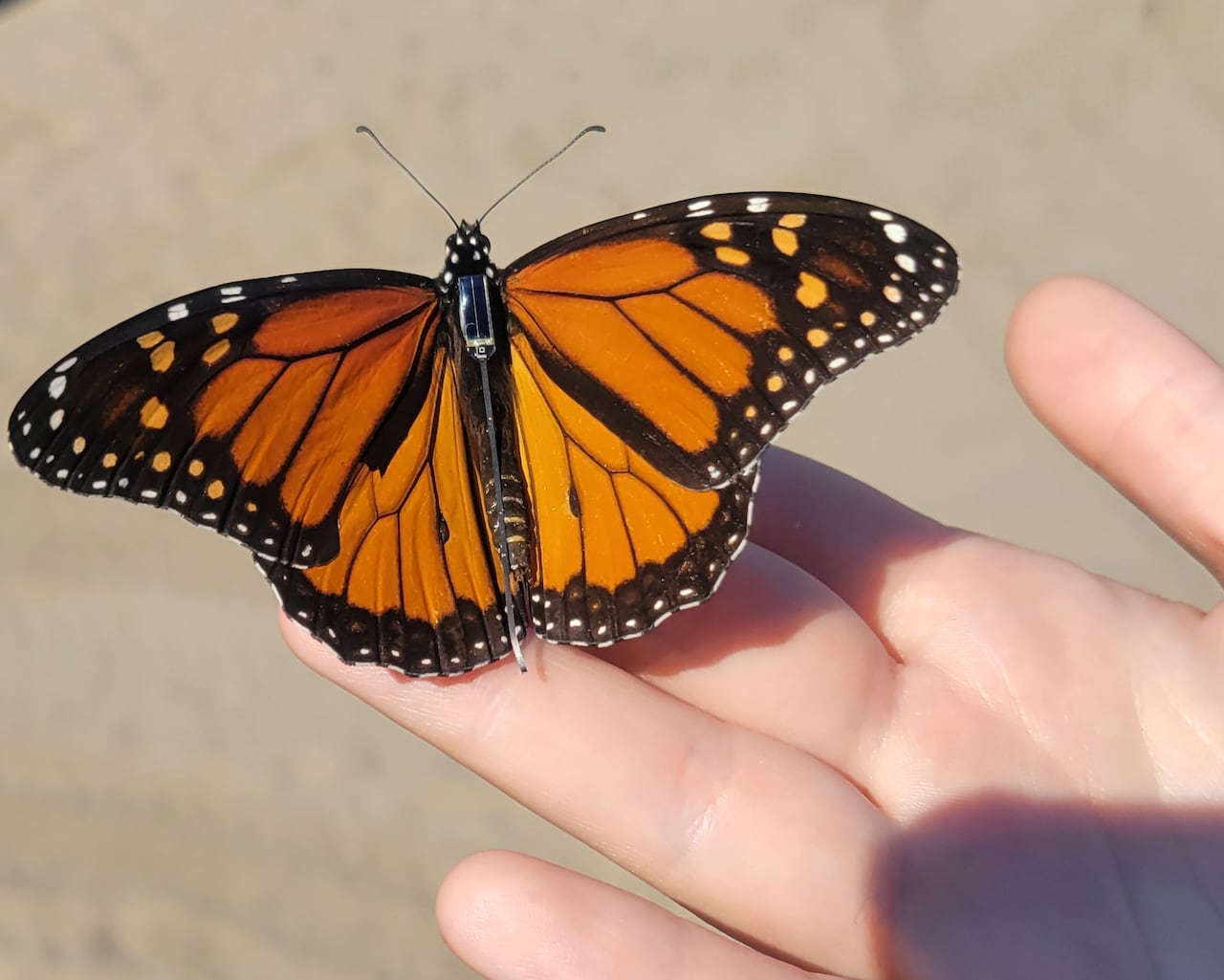
Monarch butterflies require milkweed to lay their eggs. (Gregory Mitchell/Environment and Climate Change Canada)
Worries in Canada as well
While Trump’s environmental initiatives are particularly alarming for Canadian conservationists, experts interviewed by CBC News cautioned that Canada may also be heading in the wrong direction.
Prime Minister Mark Carney’s government is looking to simplify and expedite the permitting process for major infrastructure projects in light of U.S. tariffs and other economic pressures.
A recently released discussion paper on potential legislative and regulatory reforms indicates that the government is contemplating granting the Governor in Council “limited authority, with a high threshold to be met, to exempt specific projects from the application of the jeopardy test for species at risk.”
“But this is only if it’s deemed in the public interest and if the proponent has made all reasonable efforts to mitigate impacts on at-risk species,” the paper states.
Coste expressed that the prospect is “very troubling.”
Both nations “should be enhancing protections and strengthening laws to safeguard species, yet it seems they are both heading in the opposite direction,” he remarked.
-
Yukon court hears arguments for and against Ten Mile development
-
75 of these whales remain. A new West Coast pipeline would be ‘devastating’ for them, experts say
Pierre Cuguen, a representative for the Privy Council Office, informed CBC News that the discussion paper is intended to gather feedback “to enhance the efficiency and predictability of federal regulatory processes” but “does not represent final government decisions.”
“Current requirements to avoid, minimize, and mitigate environmental effects will continue to be integral to project planning and decision-making,” Cuguen stated in an emailed response.
“Any forthcoming changes would need to balance environmental protection with allowing significant projects to proceed in a timely and predictable manner.”
Environment and Climate Change Canada further asserted that nature conservation remains a priority for the government, highlighting a $3.8-billion federal nature strategy unveiled in March.
In an email to CBC News, a representative also mentioned that the department has a “longstanding partnership” with the U.S. through a trilateral committee focused on wildlife and ecosystem conservation in North America.
Canada “will persist in collaborating with our partners in every possible way to safeguard nature and species,” the spokesperson concluded.

