
Philip Keddy has realized that he cannot depend solely on rainfall to achieve fruitful harvests and successful growing seasons after last summer’s events.
The farmer based in Lakeville, N.S., attributes his effective irrigation system for enabling him to endure harsh drought conditions that affected the area.
“Years ago, we made the right choice to invest in additional pumps and dig more ponds to enhance our capacity to irrigate our crops,” stated Keddy, who owns Charles Keddy Farms and serves as vice-president of Horticulture Nova Scotia.
He noted that the farm’s output decreased by 25 per cent last year, but without irrigation, he believes it could have plummeted by 50 to 75 per cent. The farm primarily cultivates strawberry nursery plants and sweet potatoes.
“I’ve never witnessed anything like it,” he remarked.
Like many other farmers in Nova Scotia, Keddy is now investing in additional irrigation machinery as producers seek methods to adapt to extreme weather patterns and climate change.
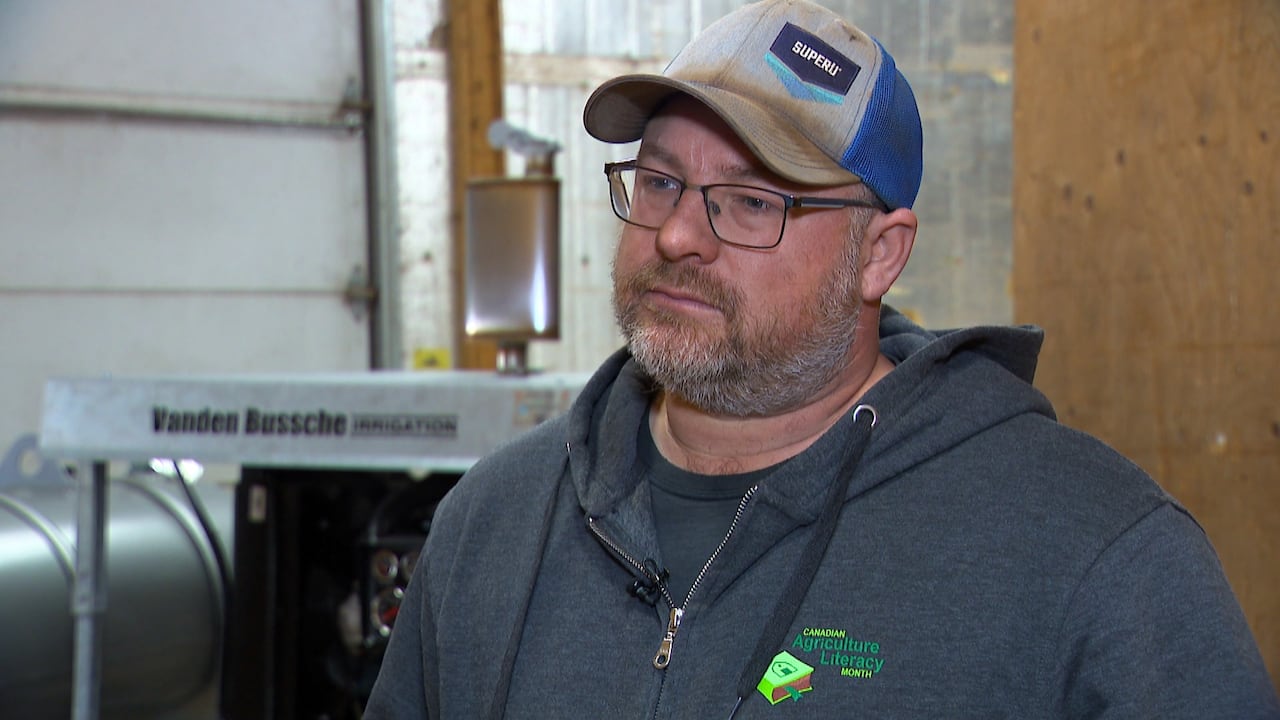
Philip Keddy is the owner of Charles Keddy Farms in Lakeville, N.S. He has invested approximately $400,000 to enhance his farm’s water capacity in recent years. (Pat Callaghan/CBC)
He is receiving assistance from the province’s Department of Agriculture, which has broadened some of its financial support programs for farmers in response to last year’s dry spells.
In June, the department raised the funding for its On-Farm Water Management Program from $250,000 to $1.8 million. This initiative offers 50 per cent cost-sharing support for water supply projects such as wells and ponds, up to a maximum of $15,000.
A spokesperson from the province informed CBC News that there were 229 applicants in 2025, a significant rise from 85 applicants in the previous year.
-
How Nova Scotia fruit growers are grappling with lingering drought conditions
-
N.S. crops withering in dry conditions, hitting farmers in the pocketbook
Additionally, the department allocated an extra $7 million to Horticulture Nova Scotia’s Season Extension Enhancement Program, aimed at assisting fruit and vegetable growers in prolonging their growing seasons.
Last year, the program received 121 applications, an increase from 80 applications when it was previously available in 2023.
Through this initiative, Keddy acquired additional irrigation pumps and over 900 meters of underground piping for water distribution, along with an irrigation reel for watering his rhubarb and raspberry crops.
He reported that he has invested approximately $400,000 in enhancing the water capacity of his farm over the last few years.
Emily Lutz, who serves as the executive director of the Nova Scotia Fruit Growers’ Association, indicated that the drought’s repercussions will affect the upcoming growing season.
Concerns linger over whether some trees will yield any fruit due to the extreme stress they endured from insufficient rainfall. She mentioned that replacing dead fruit trees can take three to five years.
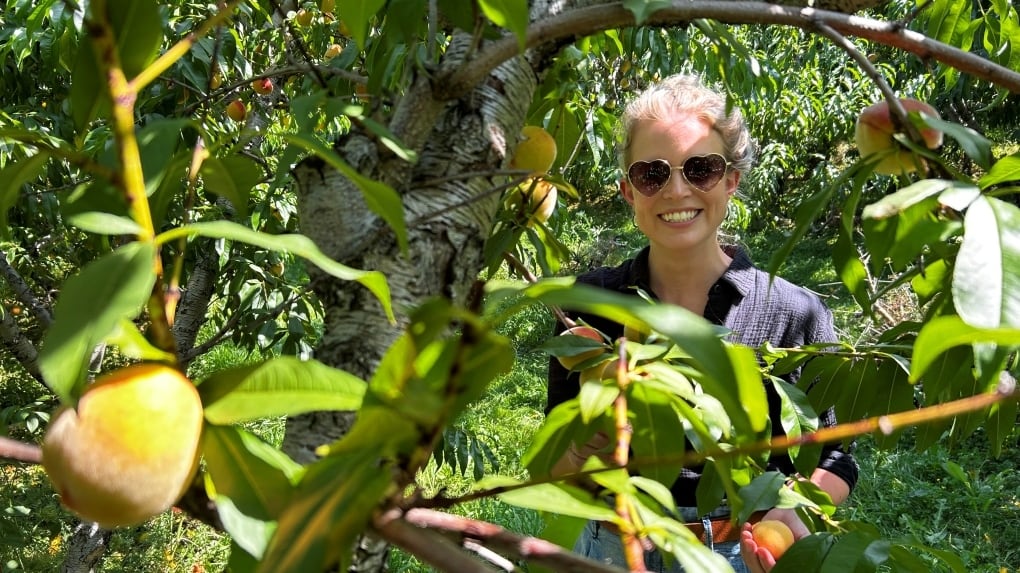
Emily Lutz is the executive director of the Nova Scotia Fruit Growers’ Association and a municipal councillor in Kings County. She states that foregoing irrigation is now ‘a risk that may be too large to take.’ (Submitted by Emily Lutz)
“This represents a significant loss in productivity that can set your orchard and operations back by years,” Lutz explained.
“We understand it costs upwards of $40,000 or more to establish an acre of orchard, making it essential to safeguard that investment.”
Historically, irrigation has not been necessary in most apple orchards across Nova Scotia, as trees in certain areas can thrive even in relatively dry conditions.
“Last year demonstrated that this is a risk too substantial to ignore now,” she added.
The association recently distributed a survey to its 53 members, revealing that 70 percent of the 36 respondents confirmed they would definitely invest in irrigation equipment this year, while the remaining 30 percent expressed strong consideration for it.
They also estimated their planned expenditures for this infrastructure, totaling around $3 million for irrigation equipment and $1.4 million for water sources such as ponds and wells.
-
N.S. farmers hope snowy winter will mitigate effects of drought
-
Video
Nova Scotians look to alternative water sources as drought drags on
Trevor Hadwen, an agroclimate expert with Agriculture and Agri-Food Canada, noted that it is logical for farmers to take measures to enhance their resilience against weather fluctuations.
“We anticipate warmer-than-usual temperatures throughout the Atlantic region, accompanied by drier summers,” Hadwen stated.
“The challenge lies in the fact that higher temperatures and reduced rainfall lead to decreased water availability. Therefore, the type of water source they depend on may also restrict the amount of irrigation they can provide during particularly dry years like last year.”
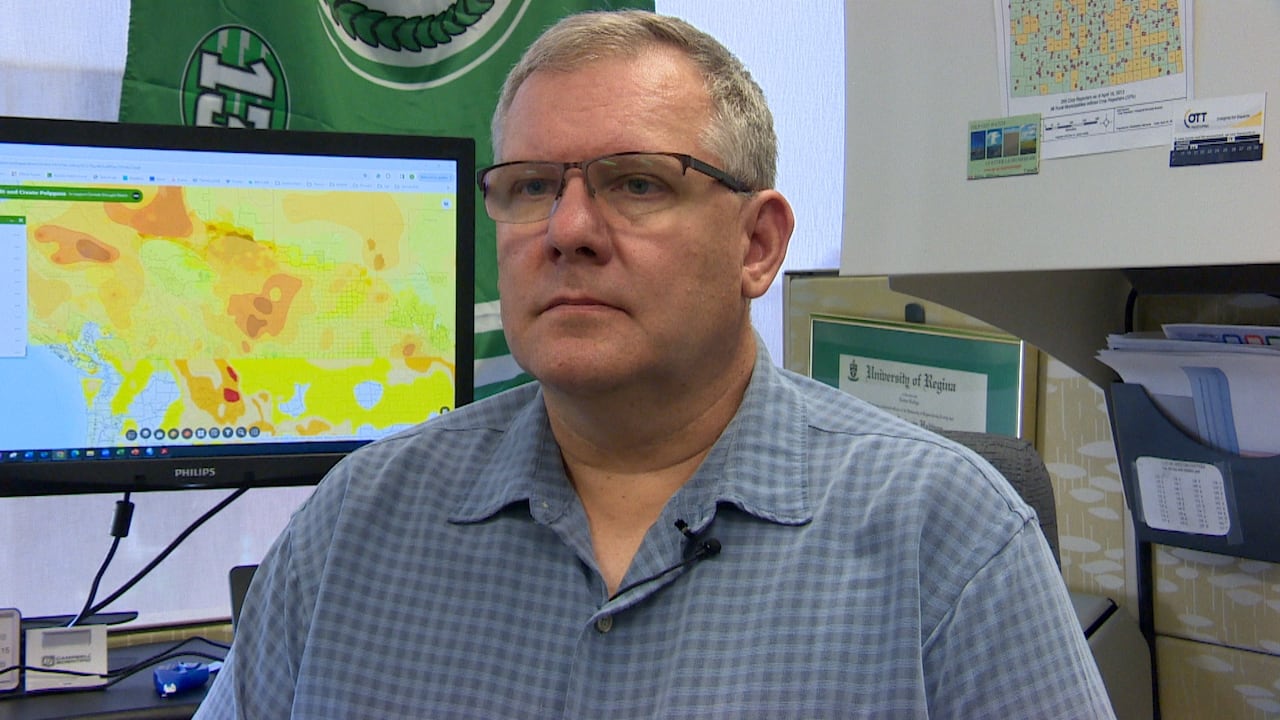
Trevor Hadwen is an agroclimate specialist with Agriculture and Agri-Food Canada. He indicates that certain areas of the Atlantic region are still facing drought conditions due to insufficient snowfall during the winter months. (Will Draper/CBC)
He mentioned that certain regions in Atlantic Canada continue to endure moderate drought conditions because they did not receive enough snowfall to recover over the winter.
Hadwen stated that conditions appear better now compared to the same time last year, but what is truly needed is substantial rainfall in the spring.
For Keddy, Lutz, and others in the agricultural sector, that is precisely what they are hoping for.
“We do everything possible to prepare for both wet and dry summers … and when we enjoy a great summer, we express our gratitude to Mother Nature for her cooperation,” Keddy concluded.
MORE TOP STORIES
-
Rents continue to rapidly climb for Nova Scotia’s oldest and most affordable rentals
-
N.S. launching community safety pilot project in 3 municipalities
-
Bus crash in Annapolis Valley injures 7 children
-
Cape Breton man sentenced to jail in best friend’s death in 2024
-
Video
Little Lorraine director highlights Cape Breton’s role in film

