
An Ottawa resident, who is preparing to donate her kidney to her sister in Nova Scotia, expressed her surprise upon discovering that the province does not provide travel expense coverage for her partner’s support. She fears this policy could discourage others from considering live organ donation.
Amanda Acker is scheduled to undergo the transplant procedure on Tuesday, providing her sister, Traci Parker, with a much-needed kidney.
Due to the financial burden, Acker plans to leave the province shortly after the surgery, contrary to her surgeon’s recommendation of a one to two-week recovery stay.
“The chance to save a life should not hinge on one’s financial capacity to bear such costs, yet that is the reality we face,” Acker stated.
Acker began her journey as a live donor in September after 56-year-old Parker, who suffers from polycystic kidney disease, was informed that she would require either a transplant or dialysis.
“The first step was reviewing the survival statistics,” Acker noted.
“She is quite young for a kidney transplant, making this a critical aspect of the situation for me.”
According to MyHealth Alberta, kidneys from living donors can function for 15 to 20 years, while those from deceased donors typically last 10 to 15 years.
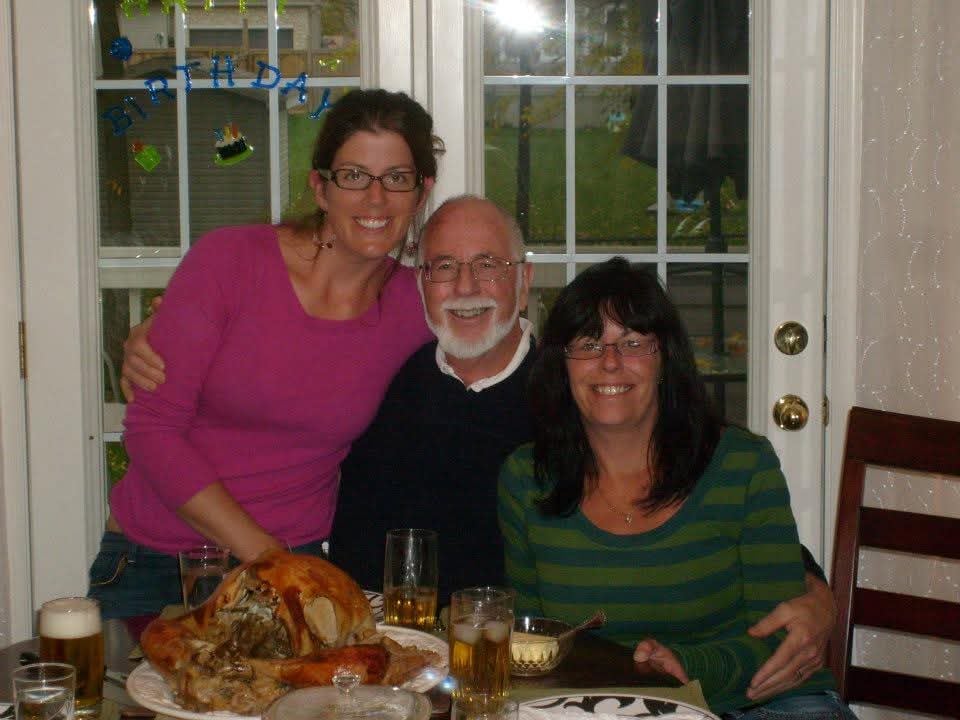
Amanda Acker and Traci Parker, alongside their father, are both set to undergo surgery on Tuesday. Acker emphasized that live donation is vital for her sister’s long-term health and well-being. (Submitted by Amanda Acker.)
Acker mentioned that she has been in contact with representatives from the live donation programs in both Ontario and Nova Scotia for several months and felt adequately prepared, both emotionally and financially, for the upcoming surgery.
She was informed that there was no option to donate her kidney in Ottawa and have the organ transported to Halifax, which she accepted under the assumption that her expenses would be reimbursed.
While Nova Scotia does offer support to donors, including coverage for travel, $125 per night for hotel accommodations, and $43 daily for meals, Acker was taken aback to find out that, unlike the Ontario program, Nova Scotia does not fund a companion’s expenses to be present with the donor. This information was not available on their website.
“It was only three weeks ago that I realized the true financial implications of this situation. That, to me, is not informed consent and is unacceptable,” she remarked.
“Having someone with me to assist in the hospital and help me return home would cost approximately $3,000.”
Michelle Thompson, Nova Scotia’s Health Minister, commented that different provinces have varying policies regarding support for live donors.
“We do our best with the resources at our disposal,” she stated. “This is currently what we can offer.”
While some regions do not provide funding for a companion, there are existing programs in British Columbia, Yukon, and Ontario that do offer this support.
When questioned about the potential for policy reassessment, Thompson indicated she was not familiar with Acker’s particular situation and could not provide a comment.
“I don’t have a definite opinion on that. Each case is unique. Nova Scotia strives to maximize its available resources.”
Nova Scotia Health did not participate in an interview, stating that the province manages the policy, but it provided responses to follow-up inquiries via email.
They noted that only one or two live donation surgeries occur each year in Nova Scotia involving out-of-province donors.
The organization mentioned that financial discussions are held when donors meet with a social worker, typically four to six weeks before the donation.
Additionally, they shared that the website is undergoing a redesign to incorporate more comprehensive details regarding the donor experience throughout the process.
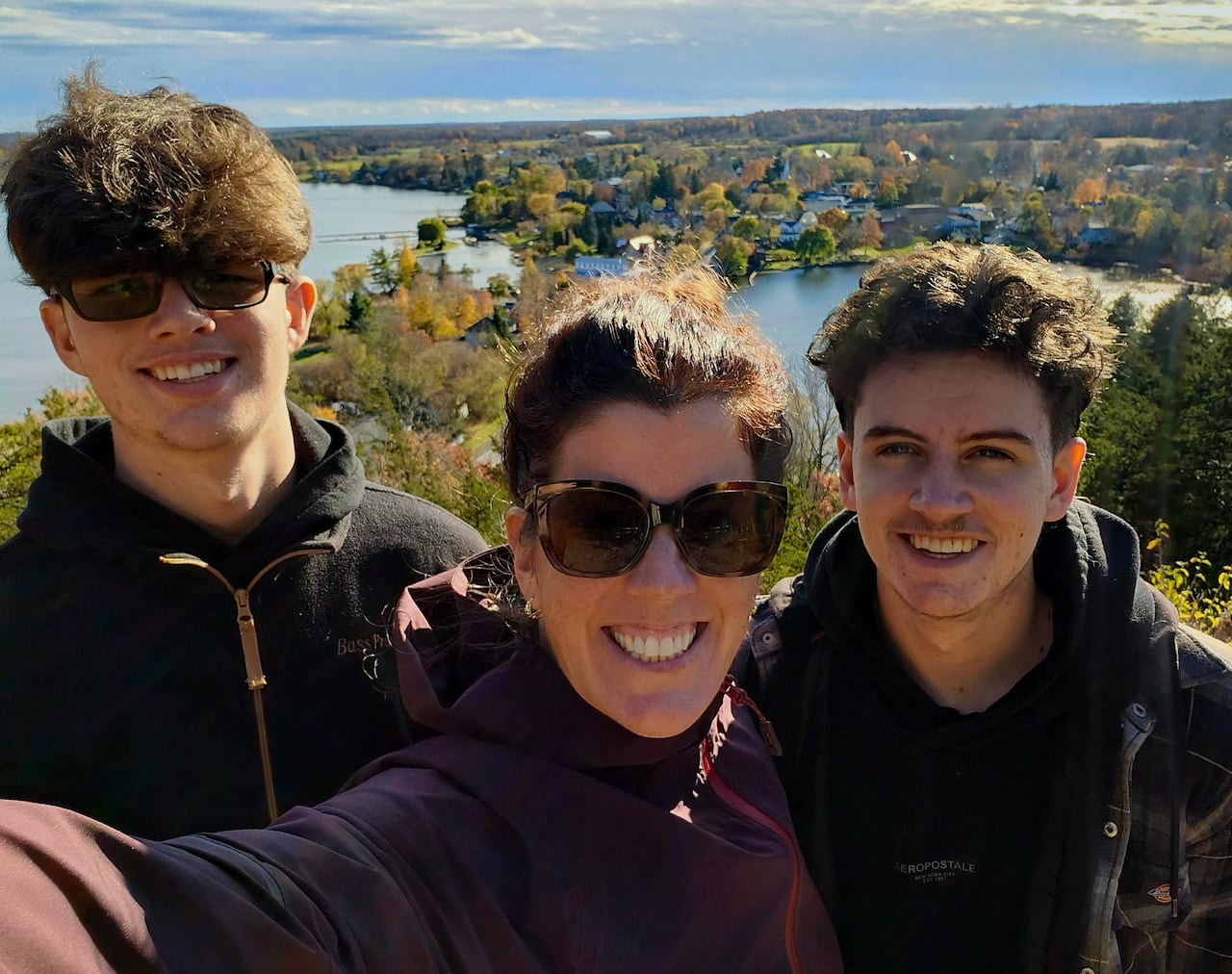
Amanda Acker, a mother of two sons, highlighted that the unexpected $3,000 expense is considerable for her family. (Submitted by Amanda Acker.)
Acker believes that donors should receive clear information from the outset to allow them to budget accordingly. She also contests the notion that the province lacks the funds to cover companion costs.
“The claim that funding isn’t available is evidently unfounded, as the province will incur expenses for dialysis treatments, and they could save money by facilitating these transplants more promptly.”
Nova Scotia Health refrained from disclosing the costs associated with dialysis, citing variability due to individual patient circumstances.
Acker is advocating for a reassessment of the province’s policy. Although she feels compelled to proceed with her donation, she acknowledges that she will bear the financial impact for an extended period.
“I would appreciate a more compassionate approach and a realistic perspective on the post-operative donor experience. We need someone to accompany us during this vulnerable time. Undergoing significant surgery without an advocate present is simply unacceptable.”
MORE TOP STORIES
-
Lawsuit by former Amherst police officer settled ahead of trial
-
The price of fish and chips is going up this summer in the Maritimes. Here’s why
-
Hard feelings persist as ATV group wins right to manage St. Peter’s Coastal Trail
-
Guinea fowl sales spike in N.S. as homeowners look for natural tick control
-
Sydney waterfront marina closed for season despite construction delays

